

Education and Continuing Professional Development
The SFISM continued to develop its range of courses. The newly restructured Bachelor’s degree programme in Sports Science and new continuing professional development courses strengthen the institute’s academic foundation and practical relevance. The successful reform of student participation also helps to underline the SFISM’s commitment to advancing education, networking and institutional development in a strategic manner.
BSc in Sports 2025: Academically sound, practically relevant
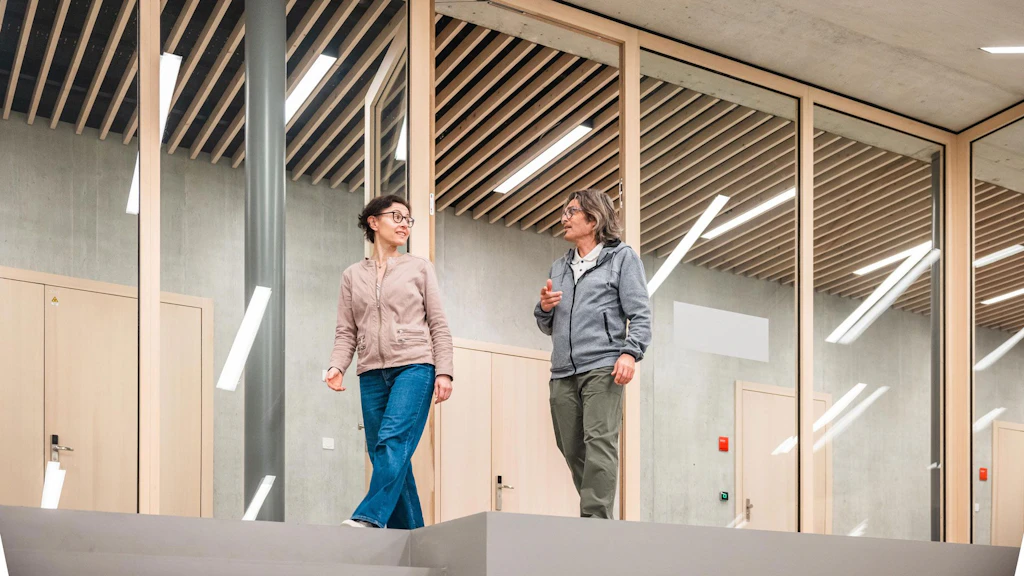
In autumn 2025, 40 students began the newly restructured Bachelor’s degree programme in Sports Science at the SFISM. The course is divided into clear modules, each of which covers a distinct topic and is completed in sequence. Students always have a clear overview of the content, learning objectives and requirements. This structure also makes it easier for students, e.g. elite athletes or those with a job, to tailor their study programmes to their own needs.
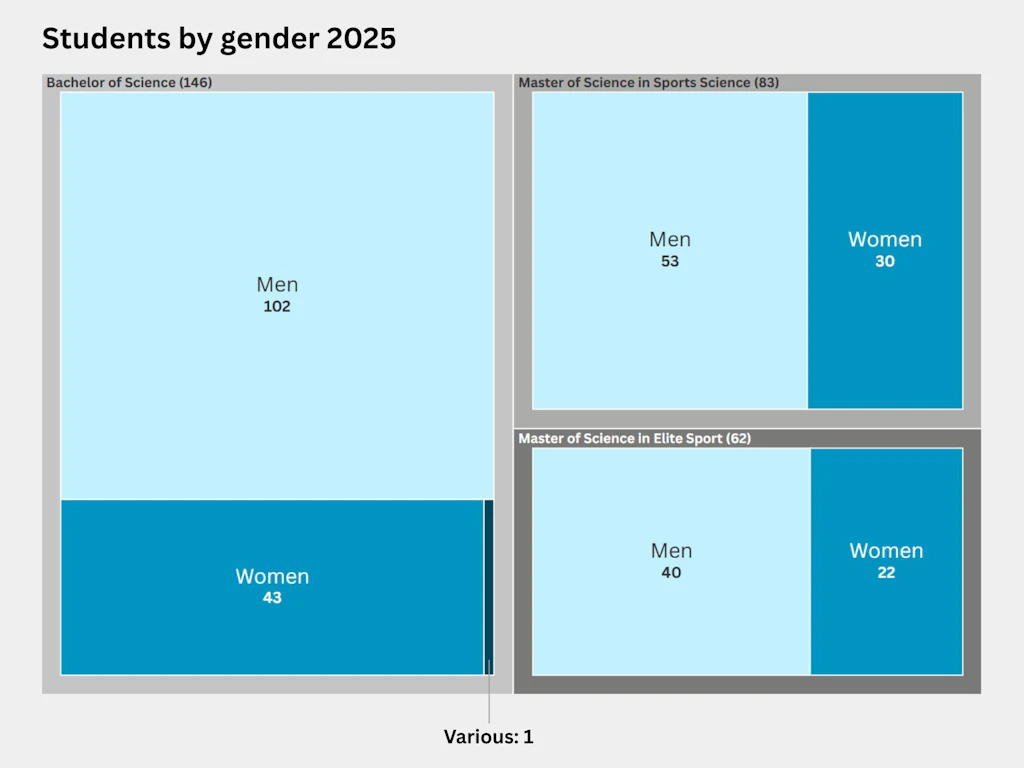
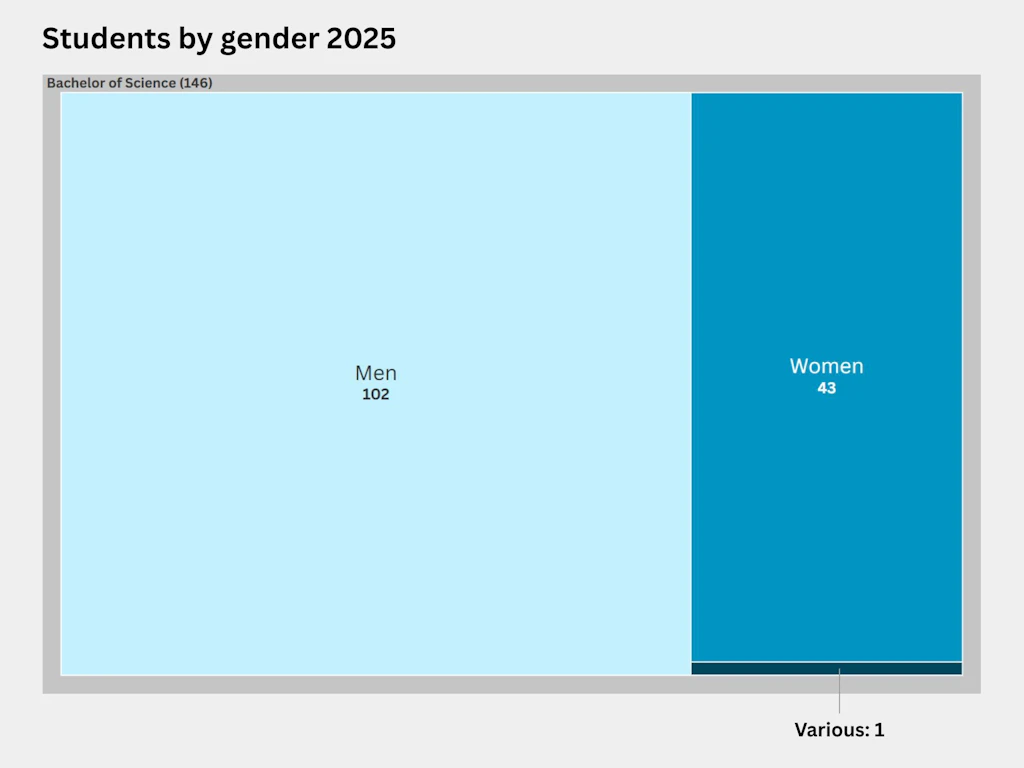
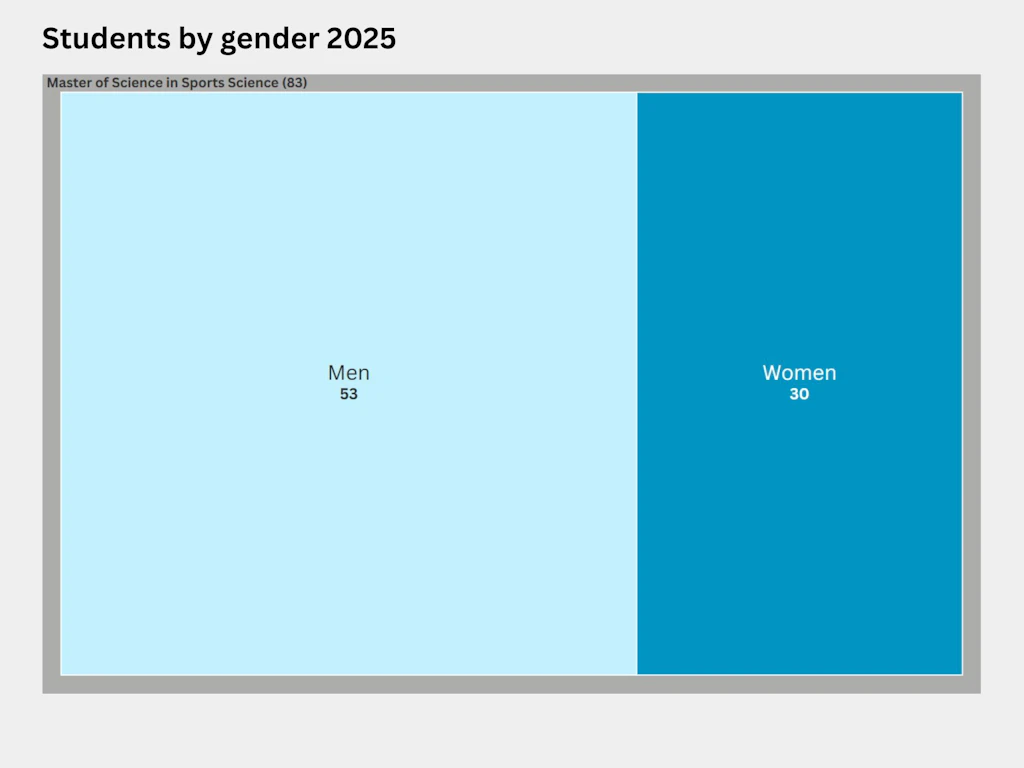
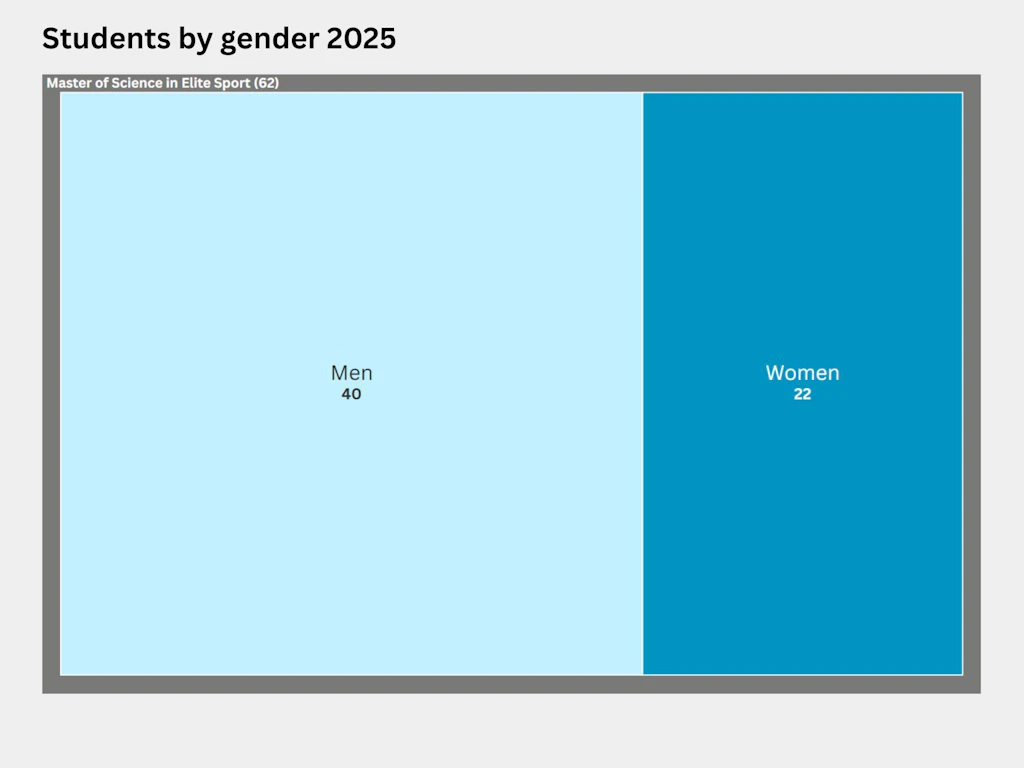
During the first three semesters, thematic modules provide students with a solid grounding in sports science and methodological skills. These are supplemented by short modules designed to specifically equip students with life skills such as teamwork, communication and creativity. In later semesters, the focus is on practical applications in real-world professional and research contexts: students take practical project modules, and undertake a research placement and a work placement of several weeks (immersion) in a sports-related organisation.
The degree course places emphasis on active and interactive teaching and learning methods. A key element is case-based learning: in small groups, students tackle specific issues relating to training, teaching or performance sport, consolidate their understanding through self-study, and discuss their solutions together. This format is complemented by lectures, seminars, supervised learning activities, state-of-the-art laboratory facilities and a wide range of practical sports courses. The new Bachelor’s degree programme combines academic rigour with practical application, and prepares students for a wide range of careers in sport.
Sports coordination: Furthering (inter)national exercise and sport networks
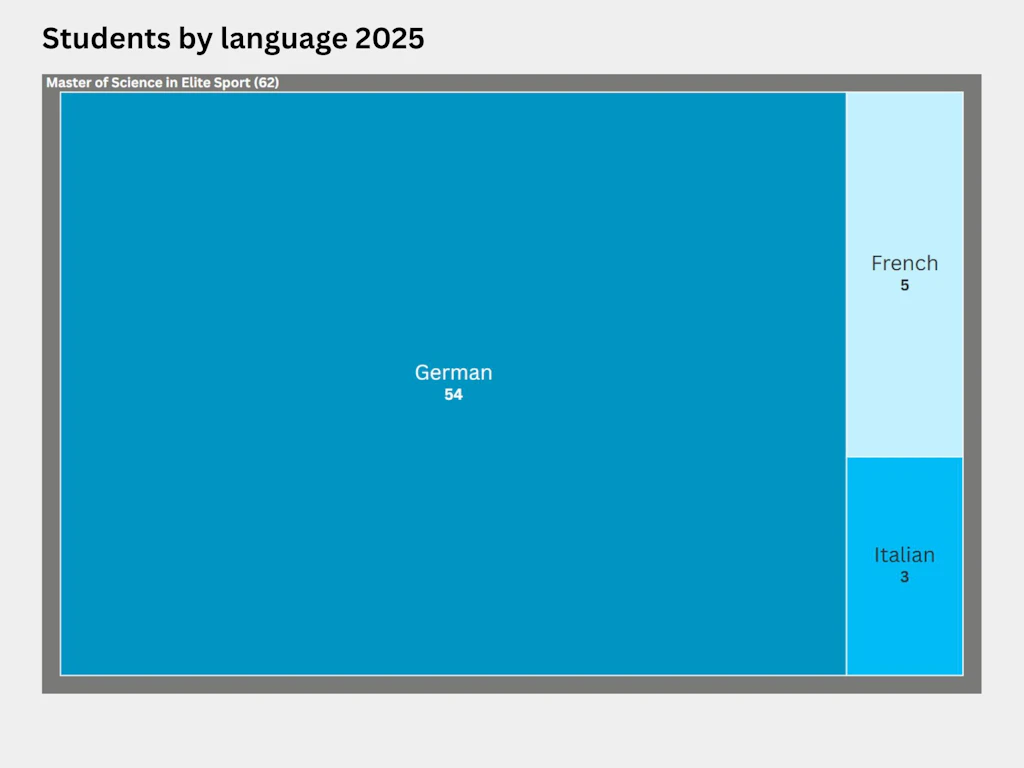
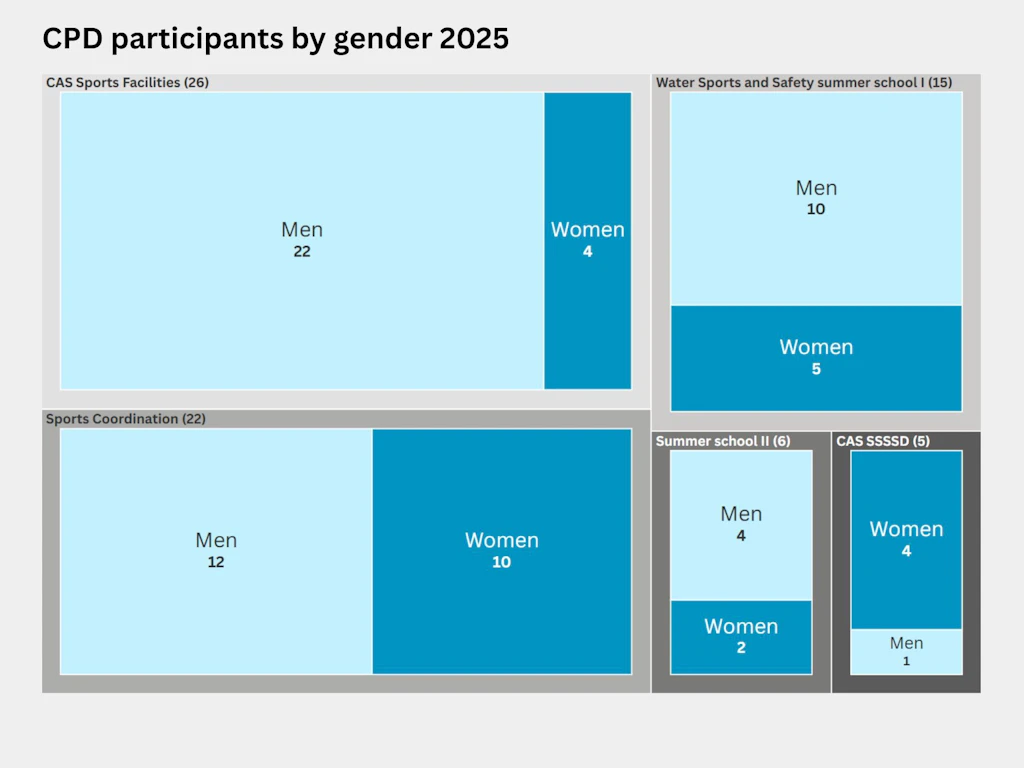
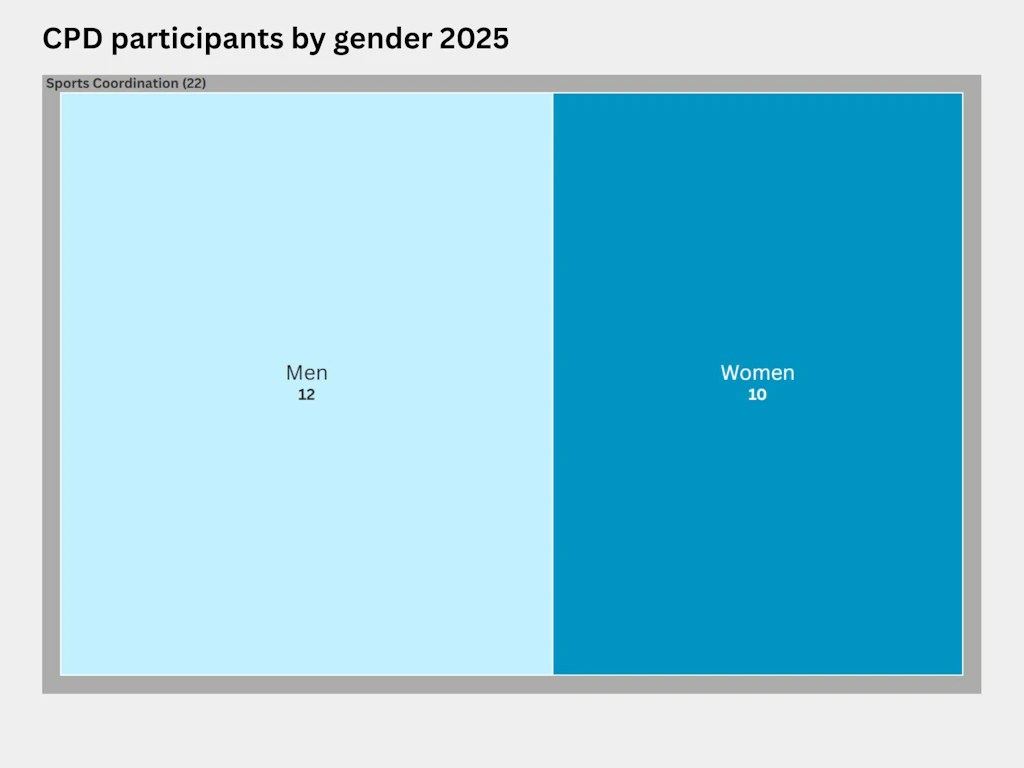
The Sports Coordination programme, for which participants previously received a certificate of attendance or ‘Project Work’ certificate, was expanded in 2023 to include an additional CAS qualification. The first CAS course was completed in 2025. A total of 41 sports coordinators completed the 2024–2025 course, 25 of whom received a CAS, for which they had to submit an academic dissertation. A range of conceptual and evaluation studies were submitted, which help to further develop work in local and regional exercise and sport networks. The dissertations are now available on the SFISM’s project database.
Dissertations, SFISM project database
The Sports Coordination Network Day, a professional development opportunity for participants, focused on an evaluation exercise: a study commissioned by the Canton of Aargau highlighted the impact and benefits of appointing a sports coordinator for a local exercise and sports network.
The SFISM strengthened its ties with the government of the Grand Duchy of Luxembourg and the National Institute for Physical Activity and Sport (INAPS). The degree programme management supports those responsible for developing and implementing the Sports Coordination training programme in Luxembourg.
Sports Coordination Programme/CAS in Sports Coordination (in German or French)
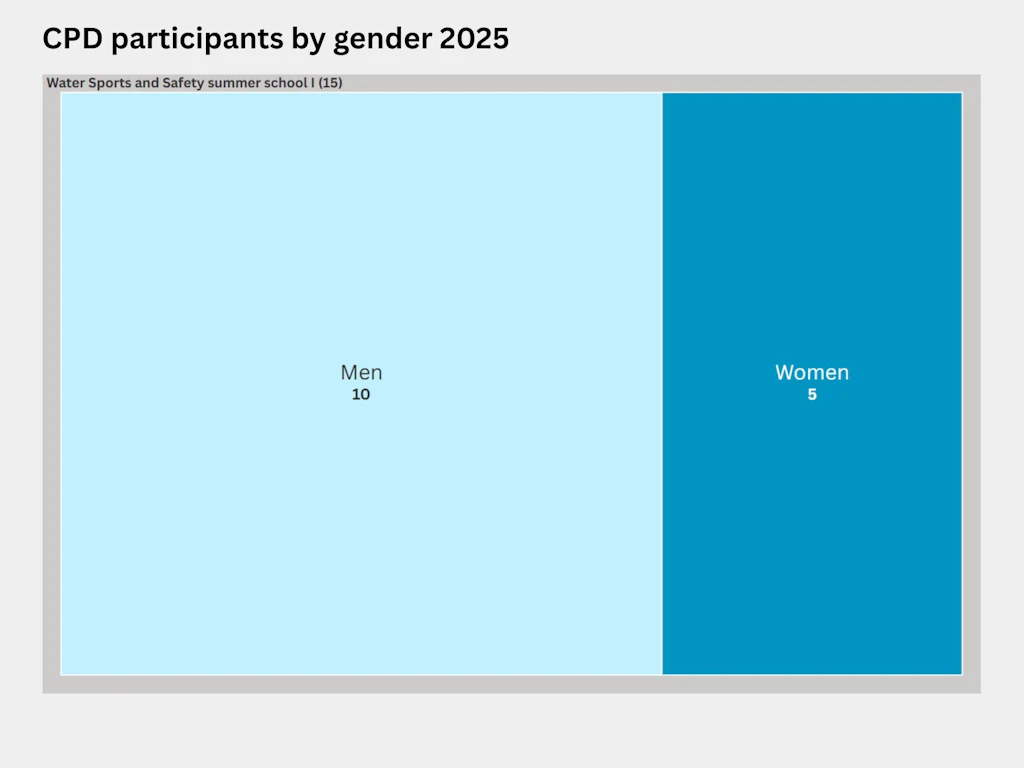
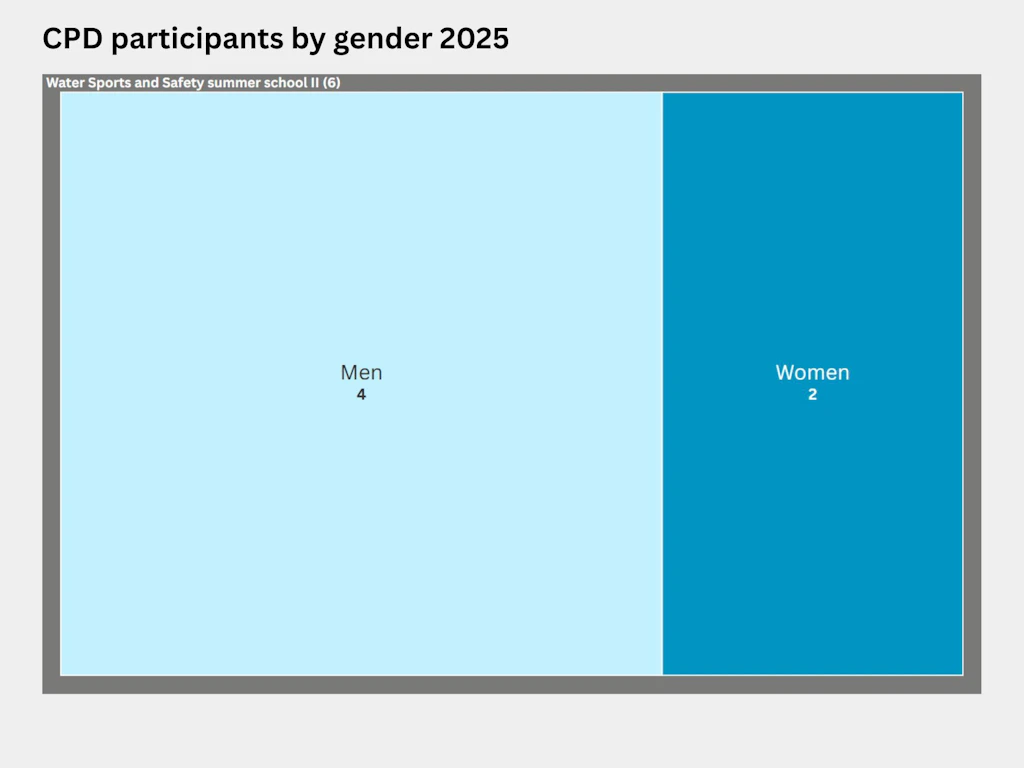
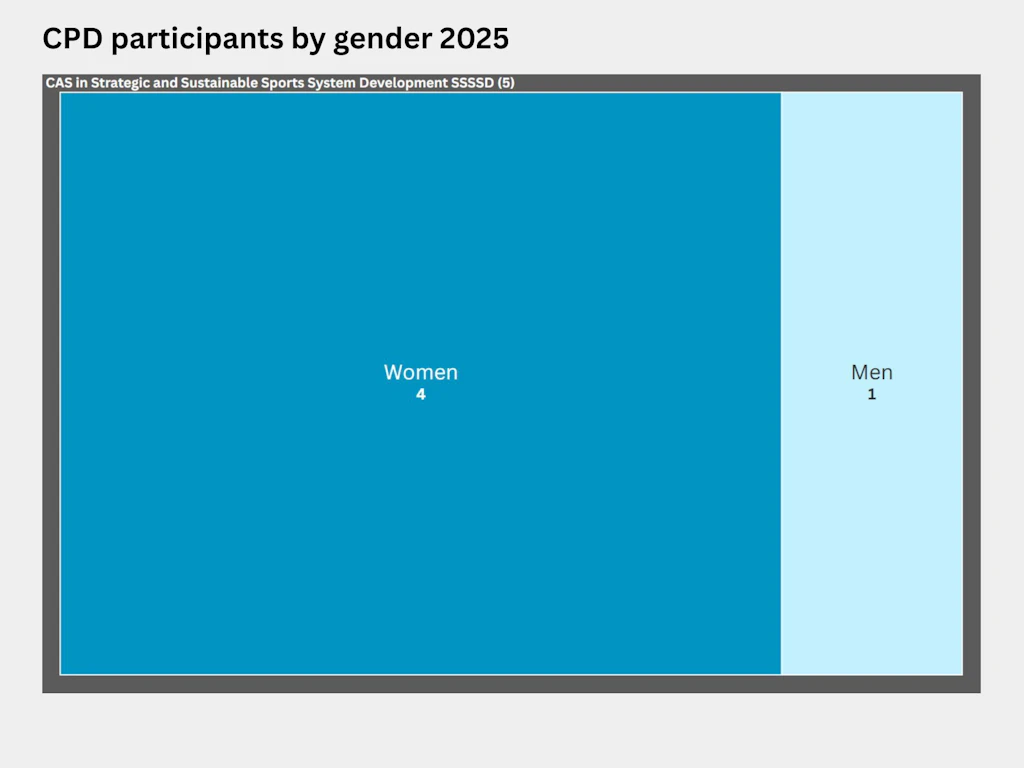
CAS Elite Sports: Transferring and using skills in specific contexts
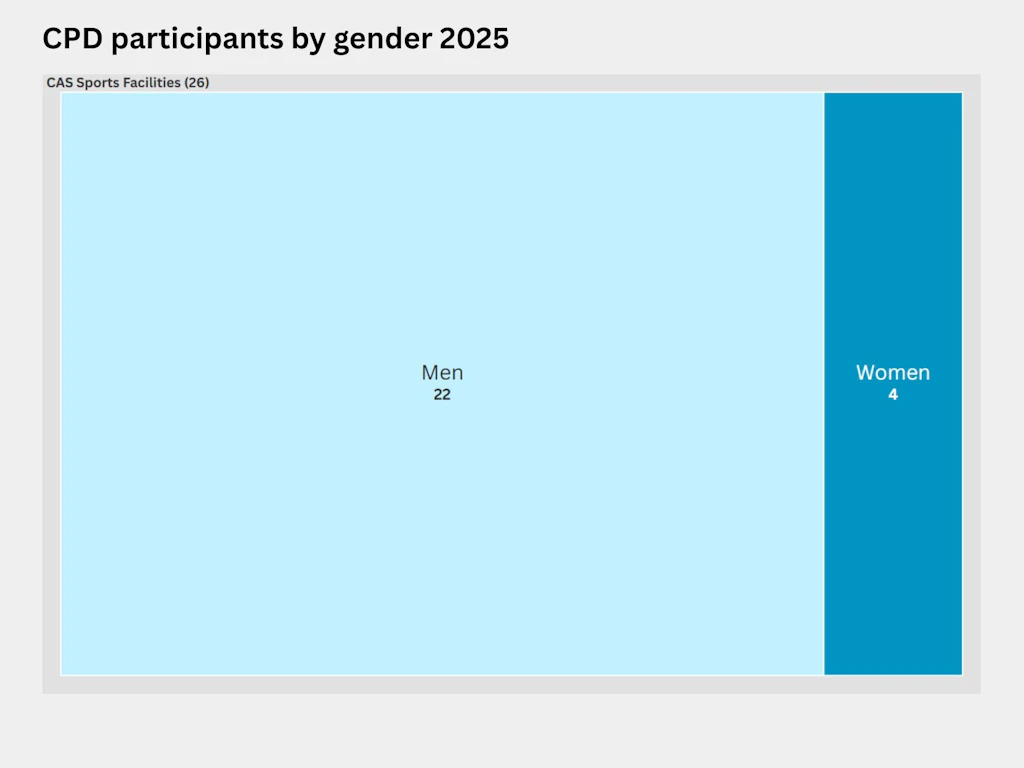
A key milestone in 2025 was the conceptual development of the innovative CAS Elite Sports Business and Management Skills programme. The new CPD course is specifically aimed at elite athletes during their careers and is based on experiential learning. In addition, the SFISM successfully ran the CAS in Sports Association Management for the second time in collaboration with Swiss Olympic and the Institute for Association, Foundation and Cooperative Management (VMI).
CAS Elite Sports Business and Management Skills (in German, French or Italian)
Successful project completion: SFISM students involved
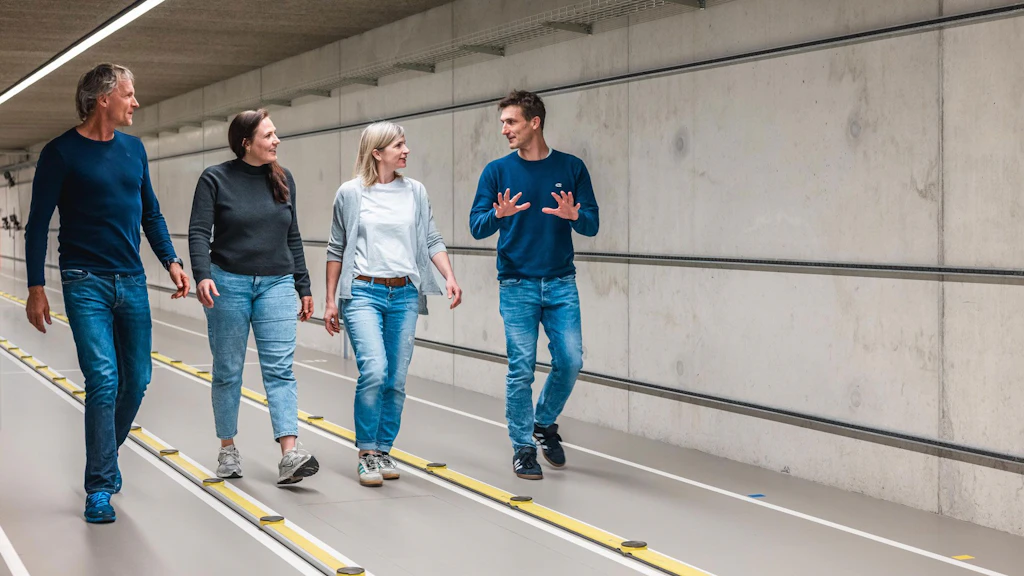
Student participation at the SFISM has undergone profound change since 2023. On the university’s initiative, a working group comprising students and programme coordinators was set up to develop new structures. The Student Council that had existed for the Bachelor’s degree programme was replaced by a new Students Association (SA) in November 2023, which also represents students on the Master’s programmes. Regular communication then took place with the SFISM’s governing bodies. The project to establish the Students’ Association was successfully completed in 2025. Since then, the SFISM has worked closely with the SA committee. The SA is affiliated with centralised bodies and regularly communicates with the SFISM management. Students participating in the SA receive certificates attesting their voluntary work. In addition, the SA manages its own finances and is able to pay remuneration to its board members and organise events.
Award-winning Bachelor’s theses
1st place – Vito Gonzalez
Concept méthodologique vélo trial. Guide des techniques fondamentales: équilibre, déplacements roue avant/arrière, wheelie, sauts en roue arrière, montées et descentes de marches
Bachelor’s thesis by Vito Gonzalez, SFISM project database
2nd place – Michèle Laura Weber
Unterrichtsstörungen im Sportunterricht: Inwiefern beeinflussen Unterrichtsstörungen im Sportunterricht das Stressempfinden von Sportlehrpersonen?
Bachelor’s thesis by Michèle Laura Weber, SFISM project database
3rd place 2024 – Noé Kaech
Initiation au Pumpfoil: Élaboration d’un guide pratique pour les débutants
Bachelor’s thesis by Noé Kaech, SFISM project database
3rd place – Ramon Grob
Trainingsmethoden zur Verbesserung der Schnelligkeit beim Richtungswechsel und deren Wirksamkeit im Nachwuchsfussball
Bachelor’s thesis by Ramon Grob, SFISM project database
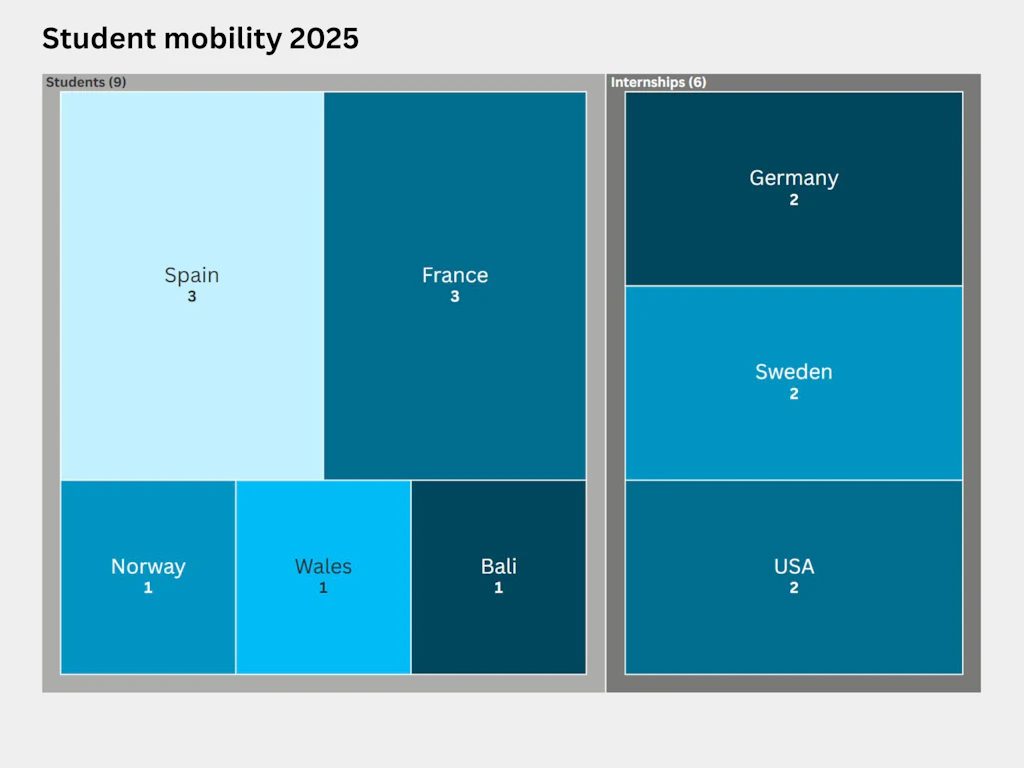
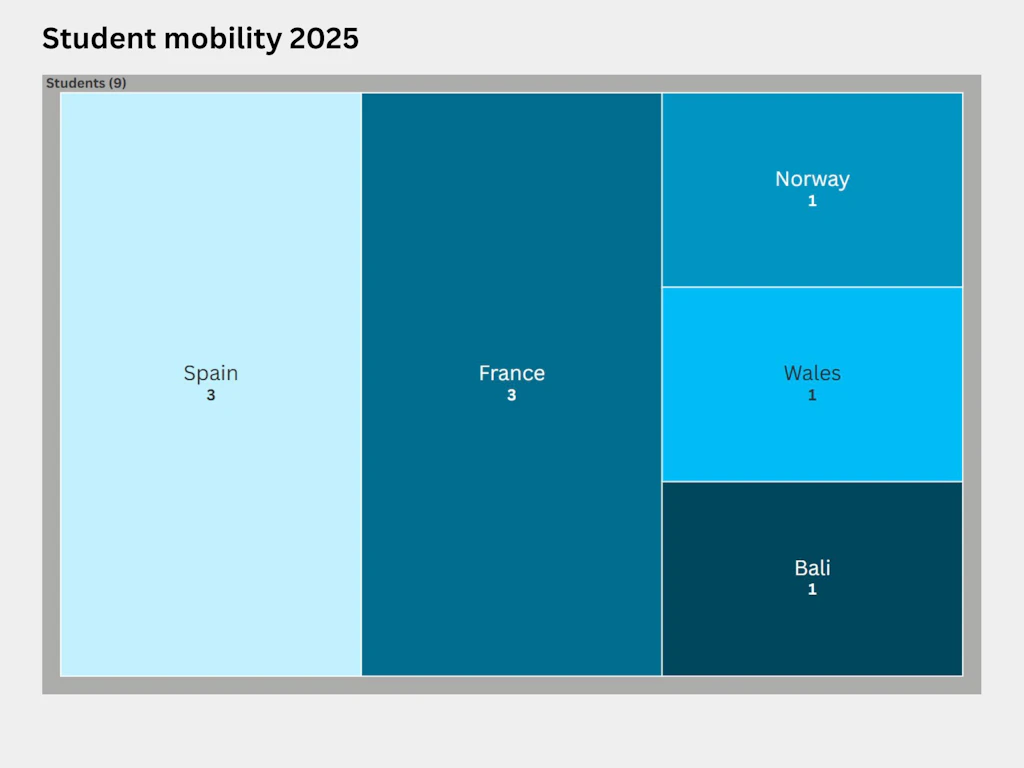
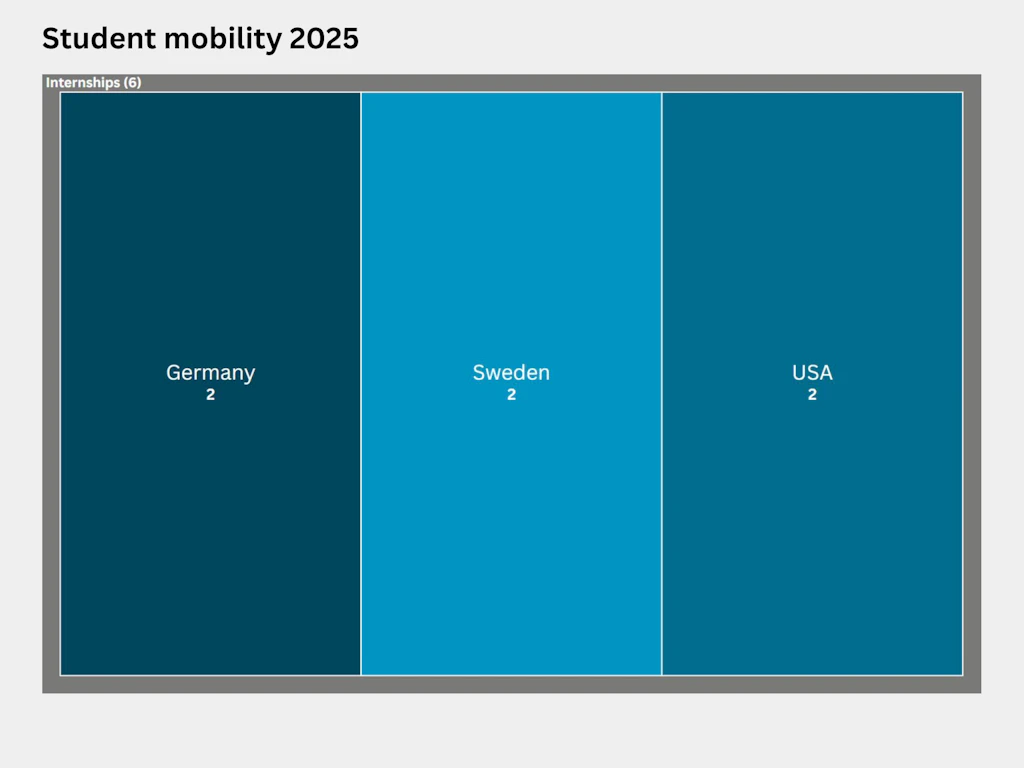
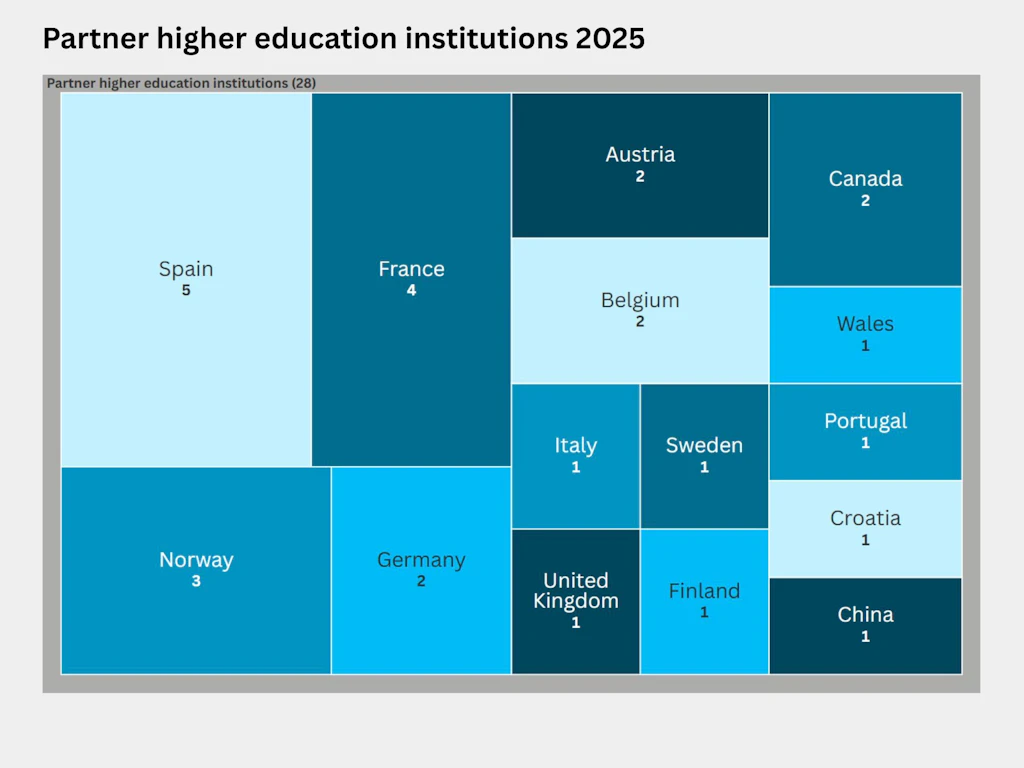
International exchange
The SFISM promotes student and staff mobility and fosters national and international partnerships.
SFISM Annual Report 2025
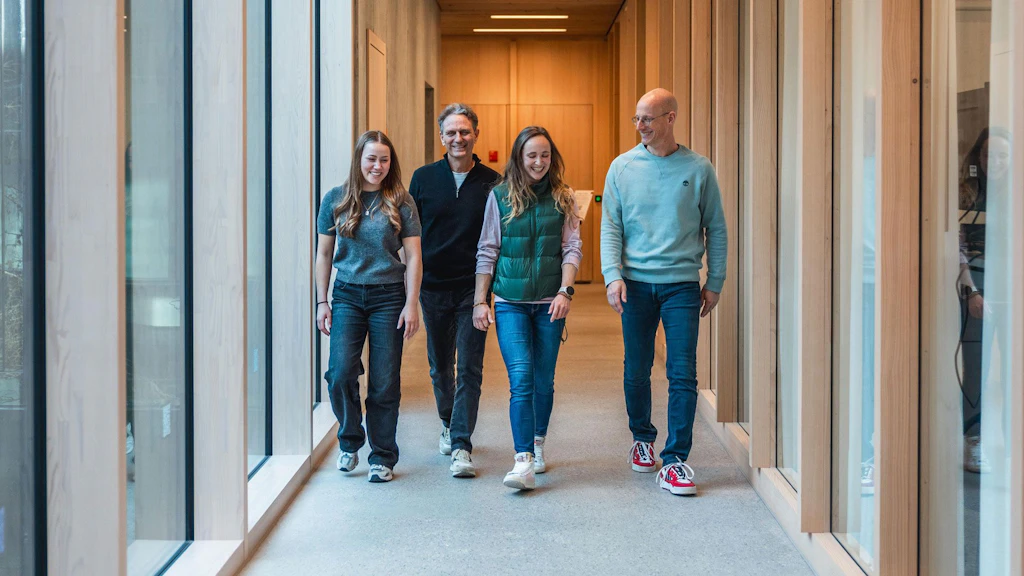
Annual Report 2025
This year the SFISM is publishing its annual report in digital format only. The report showcases key themes that shaped the SFISM in 2025 and illustrates the key figures with clear graphics.

Core topics in 2025
In 2025, the SFISM focused on strategic development. The aim was to clarify the institute’s role within the changing landscape of sport, higher education and public administration, and to set clear priorities.

Teaching and Sports Education
The SFISM works actively to promote diversity, inclusion and equal opportunities. Practical teaching materials on ethics in sport encourage responsible behaviour.
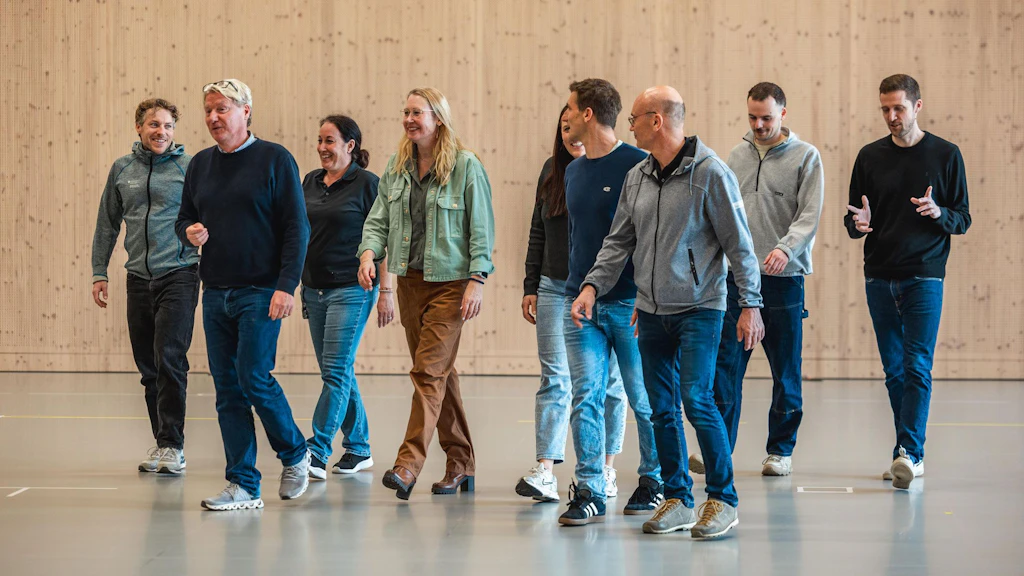
Performance sport
The excellent facilities in the new Lärchenplatz building provide an ideal environment for both applied research and modern services with a high degree of practical relevance.

Sports Economics
The Sports Economics department focused on continuing professional development and consultancy services. The publication of the textbook entitled Sport Management in Europe was one of the year’s highlights.
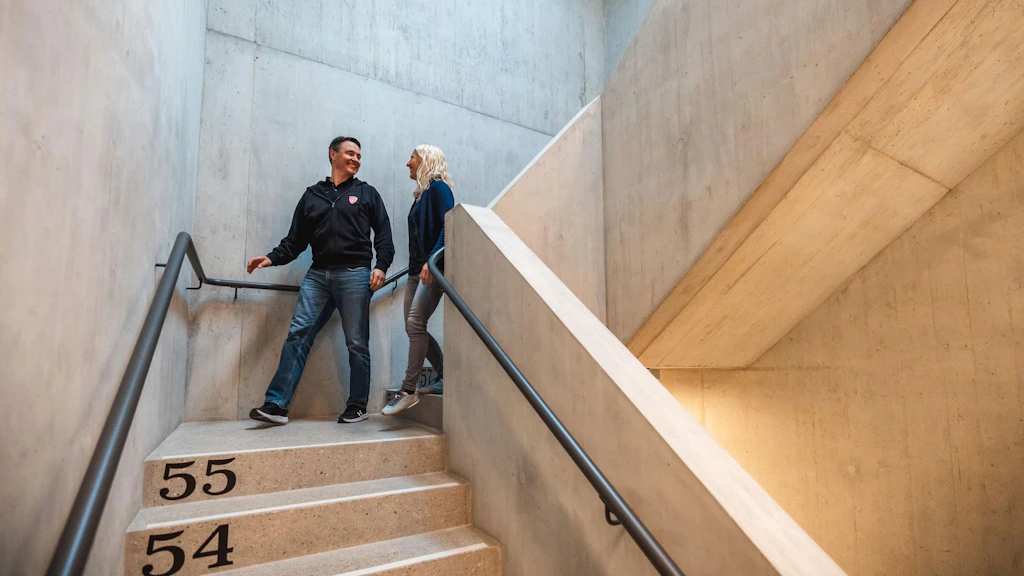
Sports coach education
In 2025, the focus was on preparations for the Olympic and Paralympic Games, and on continuing to develop the framework conditions and course formats.
Eidgenössische Hochschule für Sport Magglingen EHSM
Hauptstrasse 247
2532 Magglingen