

Core topics in 2025
In 2025, the SFISM focused on strategic development. The aim was to establish the institute’s role within the changing landscape of sport, higher education and public administration, and to set clear priorities. On a firm basis of institutional quality assurance, digital transformation, the judicious use of artificial intelligence and a strong organisational culture, the SFISM positions itself a reliable partner within the Swiss sports system.

Strategic focus, positioning and vision
The SFISM focused on its own further development in 2025. As requirements in sport, higher education and the Federal Administration continue to change, it undertook an in-depth review of its role, mission and the path it wishes to pursue going forward. The broad-based strategic process was designed to provide direction and clarify priorities for the coming years.
In this process, a vision emerged of what the SFISM intends to represent in the future and the impact it hopes to have on the Swiss sports system. This vision reflects the university’s understanding of itself as an academic institution focused on sport, and emphasises the close link between teaching, research and practical application in sport. This is evident wherever academic findings are directly incorporated into work with students, athletes, coaches and sports associations – thereby directly fostering developments in sport. The aim is to train competent professionals in the sports sector, to support successful and healthy athletes, and to contribute to the health of the general public.
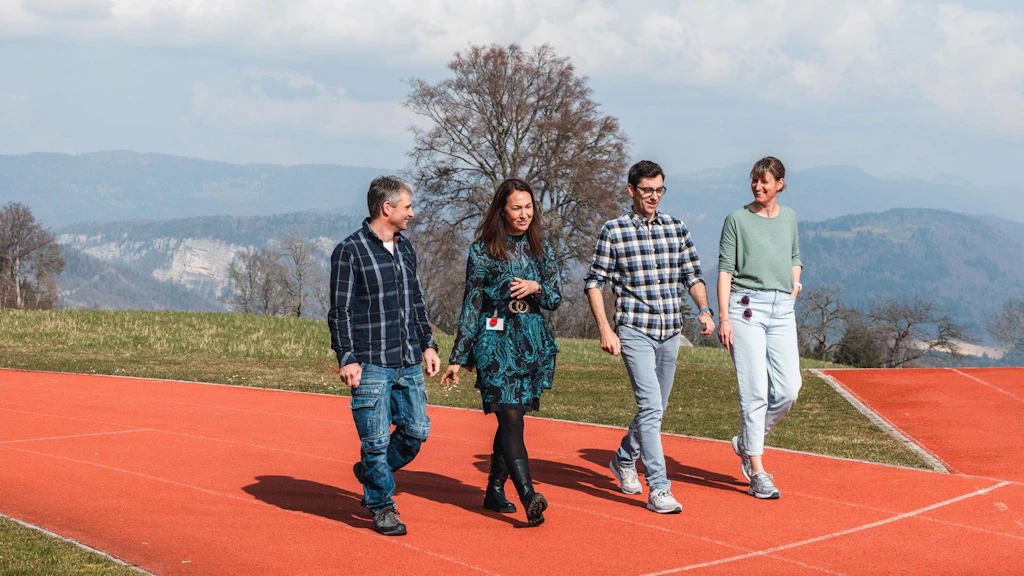
As part of the Federal Office of Sport (FOSPO), the SFISM combines academic excellence with a clear social mission. Strategy and vision set the path for the institution, both internally and in its dealings with others, and strengthen its position as a reliable partner within the Swiss sports system.
Institutional development and quality assurance
The SFISM does not view quality as a formal requirement, but rather as an ongoing process of development that has an impact on teaching, research and services. In 2025, key steps were taken to refine institutional structures and further strengthen accountability towards students, partner organisations and athletes.
External feedback and internal reflection were applied to further existing processes – for example, quality assurance in sports science teaching, responsible research practices, and embedding ethical considerations across the institution. This responsibility is particularly important in an environment where tests, studies and development projects are often directly linked to people and their sporting performance.
This work helps to ensure the long-term quality of our services and to position the university as a reliable partner in the fields of sport and education. The SFISM thus sends a clear message: institutional quality arises from dialogue, a willingness to learn and a shared commitment to continuous improvement.
Digitalisation and artificial intelligence as drivers of development
The digital transformation process shaped many developments at the SFISM in 2025. Digital technologies were deployed specifically in areas where they can effectively support practical, scientific and educational processes and open up new opportunities.
In addition to further developing key digital systems, the SFISM has been closely examining the opportunities and challenges presented by artificial intelligence, particularly in relation to academic work, new forms of assessment and the use of digital tools in practical sports training. These topics are particularly relevant for a university specialising in sports science, as digital technologies are playing an increasingly central role in performance diagnostics, the analysis of motion capture data and the personalised support of athletes.
At the SFISM, digitalisation is not seen as an end in itself, but as a means of improving quality and reflection processes. The university thus positions itself as a learning organisation that critically assesses technological developments and harnesses them specifically for education, research and applied sports practice.
Collaboration, diversity and organisational culture
Cooperation between different disciplines and perspectives is essential at a high-performing sports university. In 2025, the SFISM therefore made targeted investments to develop its organisational culture further.

It focused on fostering a trusting working relationship marked by clarity, mutual respect and a sense of responsibility. Leadership, communication and cooperation were reviewed and further developed in order to provide direction and make interdisciplinary work more effective. Issues such as equal opportunities, diversity and multilingualism were also high on the agenda – key aspects of everyday university life and the reality of the Swiss sports system.
These developments help to create an environment in which staff and students can take responsibility, get involved and make a difference together. The SFISM recognises that an open culture focused on learning underpins its credibility and long-term effectiveness in the world of sport.
Social Media
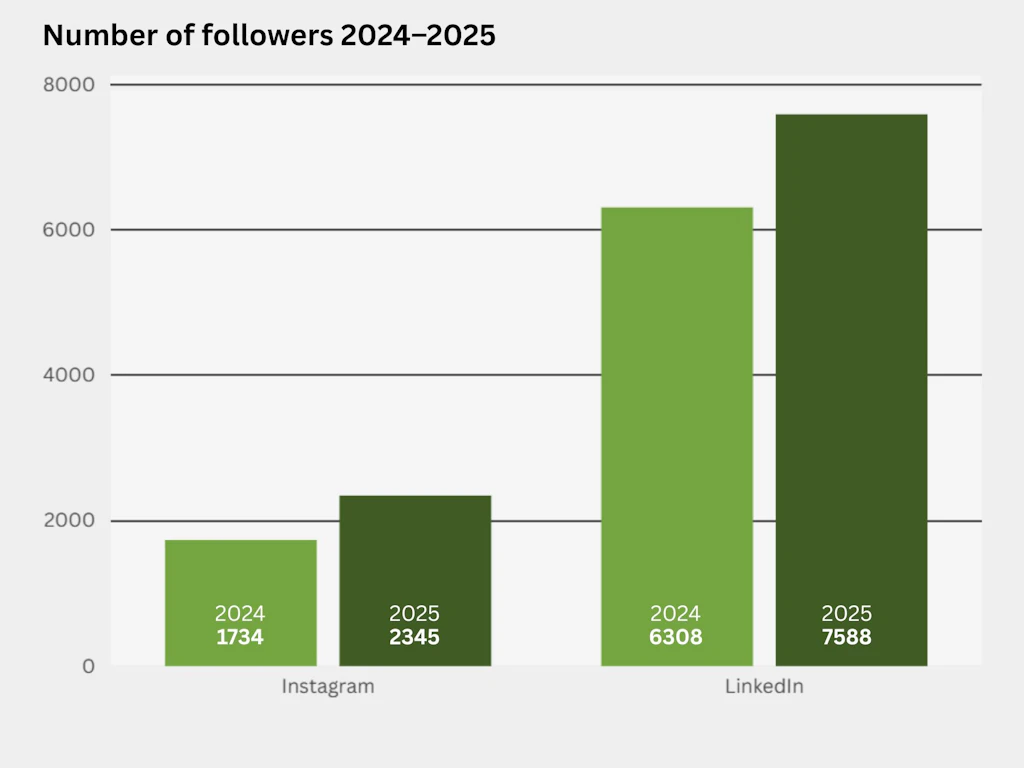
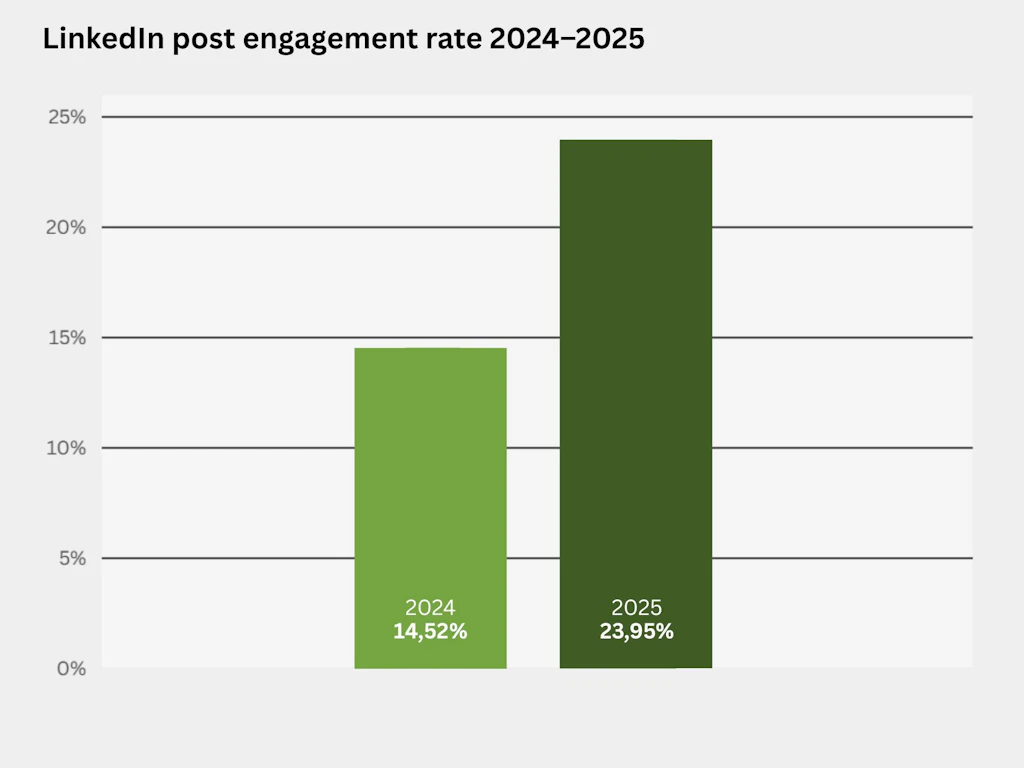
Instagram, LinkedIn and other platforms complement the SFISM’s traditional communication channels. Positive trends were also evident on social media channels in 2025.

SFISM Annual Report 2025
Annual Report 2025
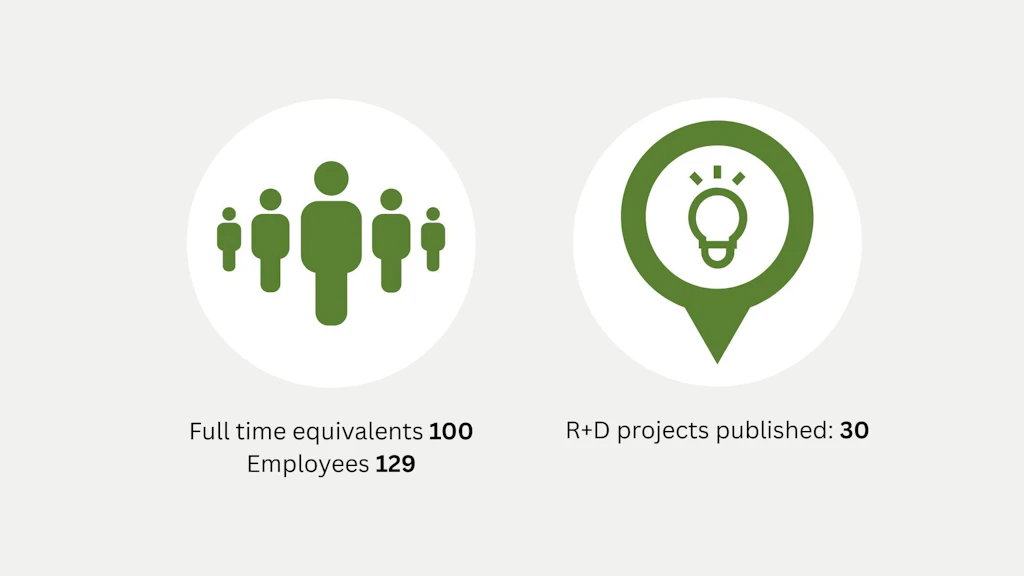
This year the SFISM is publishing its annual report in digital format only. The report showcases key themes that shaped the SFISM in 2025 and illustrates the key figures with clear graphics.

Education and Continuing Professional Development
The SFISM continued to develop its range of courses. The newly restructured Bachelor’s degree programme in Sports Science and new continuing professional development (CPD) courses strengthen the institution’s academic foundation.

Teaching and Sports Education
The SFISM works actively to promote diversity, inclusion and equal opportunities. Practical teaching materials on ethics in sport encourage responsible behaviour.
Performance sport
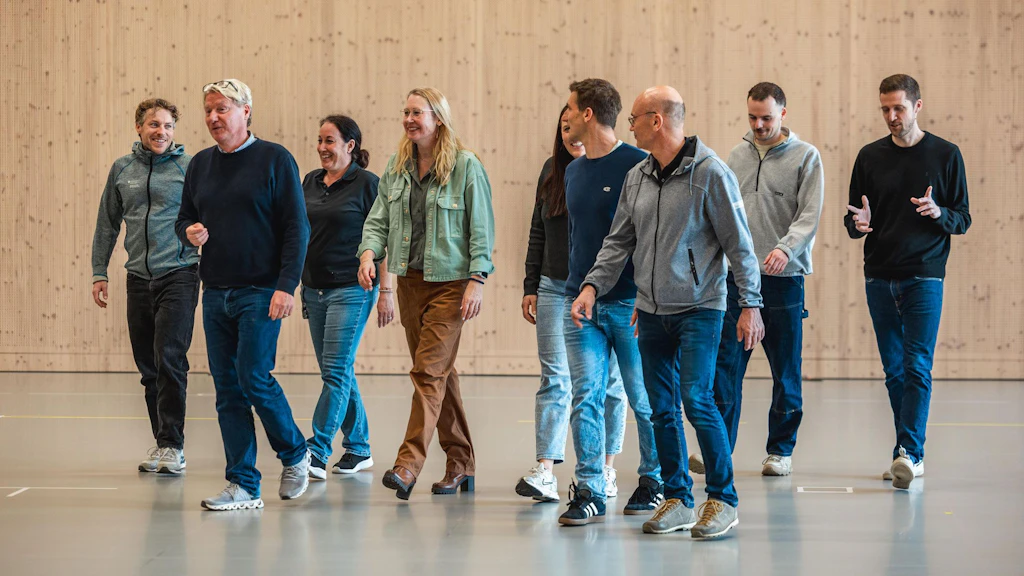
The excellent facilities in the new Lärchenplatz building provide an ideal environment for both applied research and modern services with a high degree of practical relevance.

Sports Economics
The Sports Economics department focused on continuing professional development and consultancy services. The publication of the textbook entitled Sport Management in Europe was one of the year’s highlights.

Sports coach education
In 2025, the focus was on preparations for the Olympic and Paralympic Games, and on continuing to develop the framework conditions and course formats.
Eidgenössische Hochschule für Sport Magglingen EHSM
Hauptstrasse 247
2532 Magglingen