

Mongolian cross-country skiing coaches benefit from training in Switzerland thanks to FOSPO
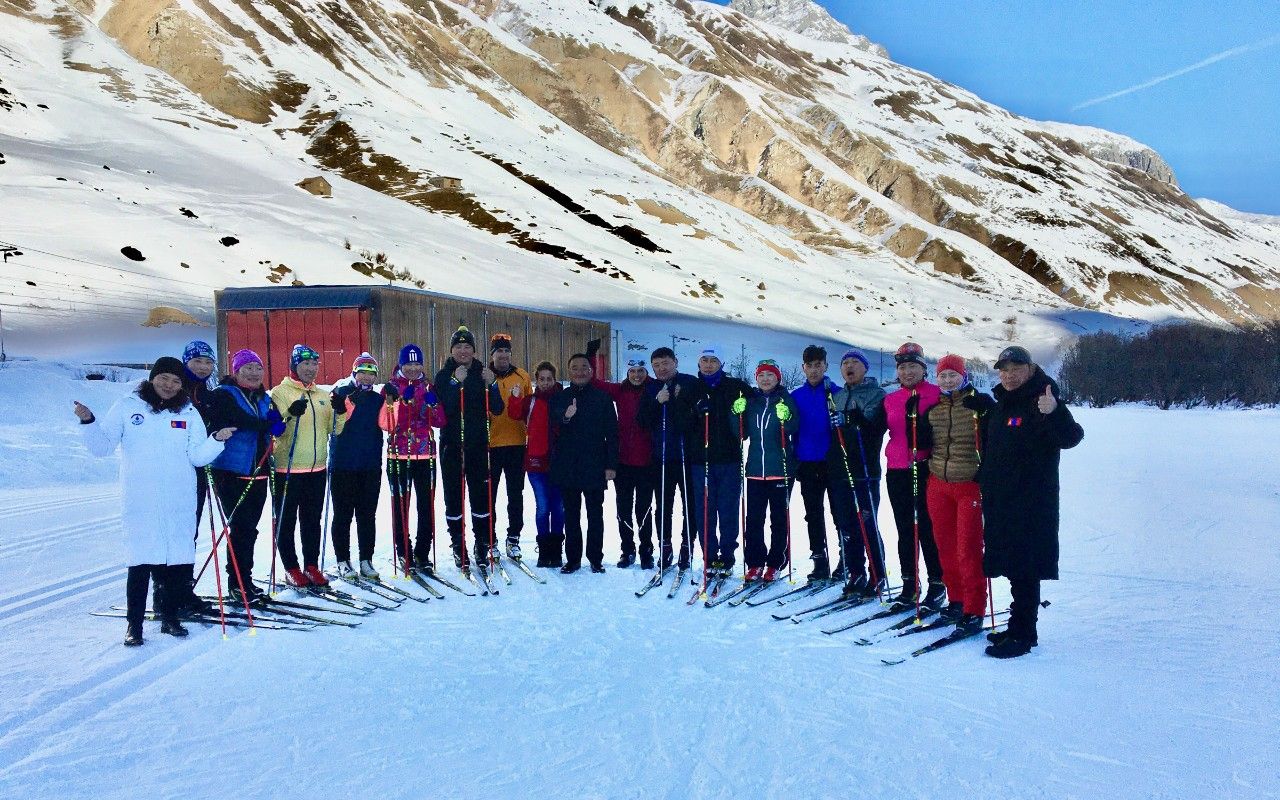
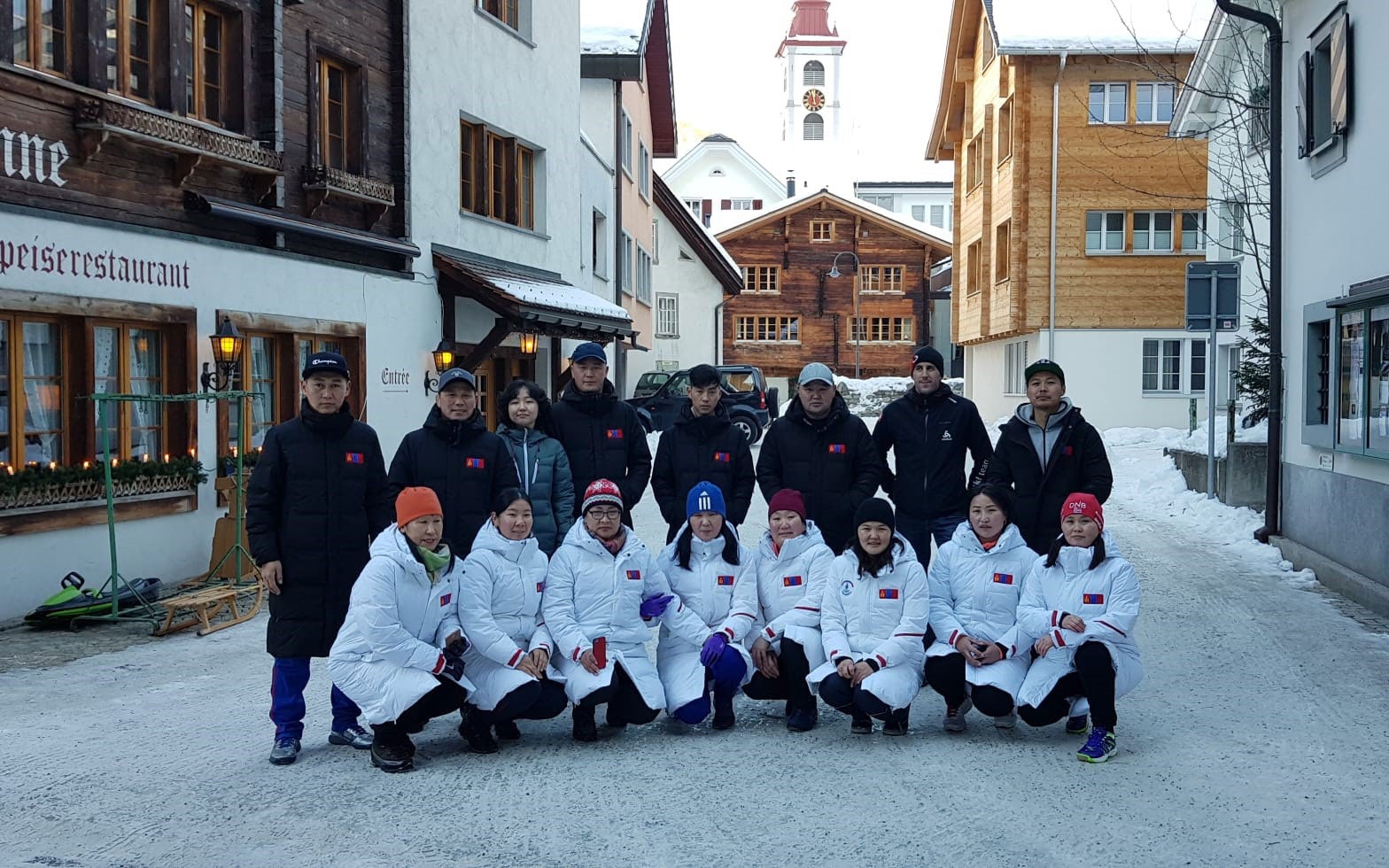
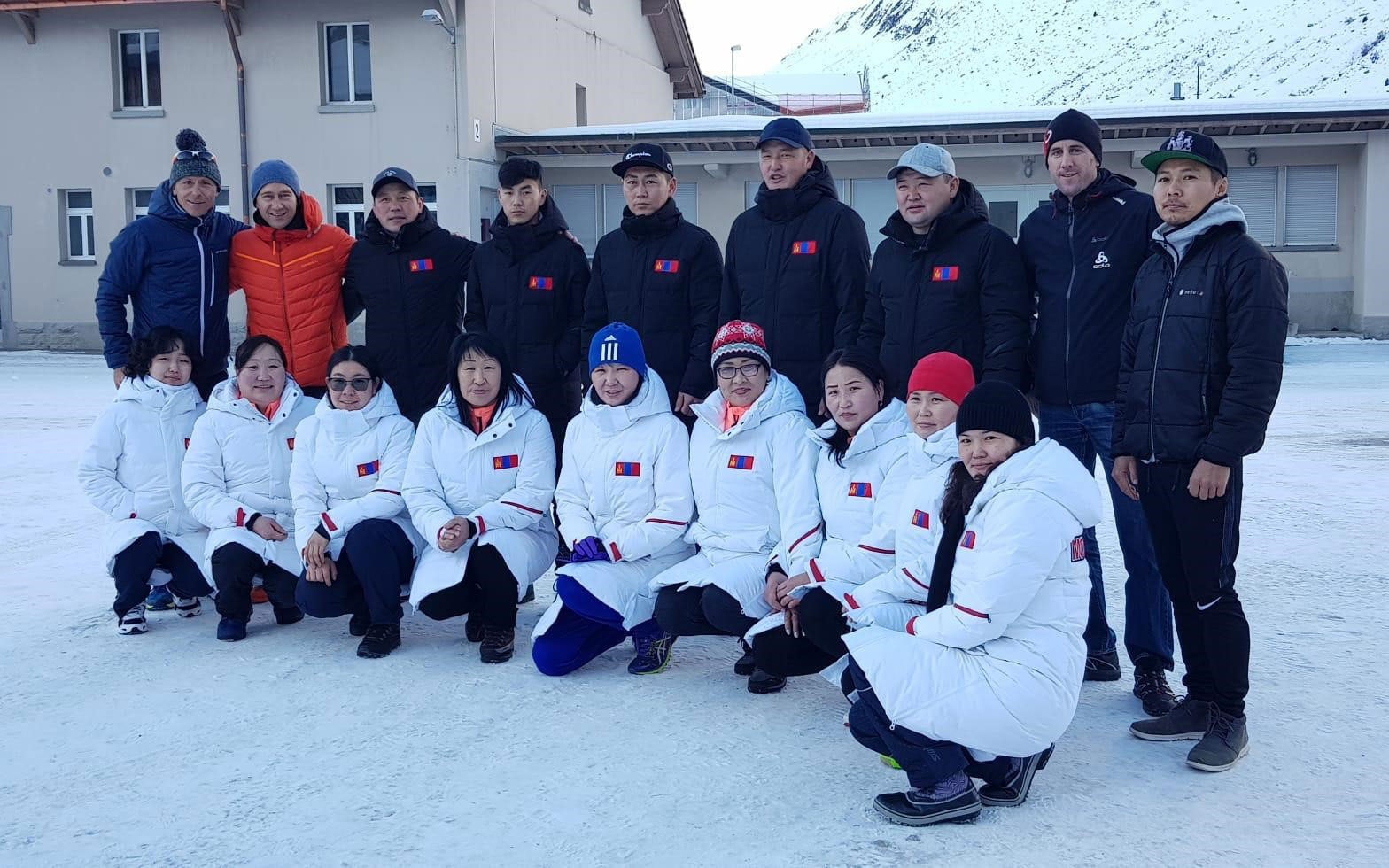
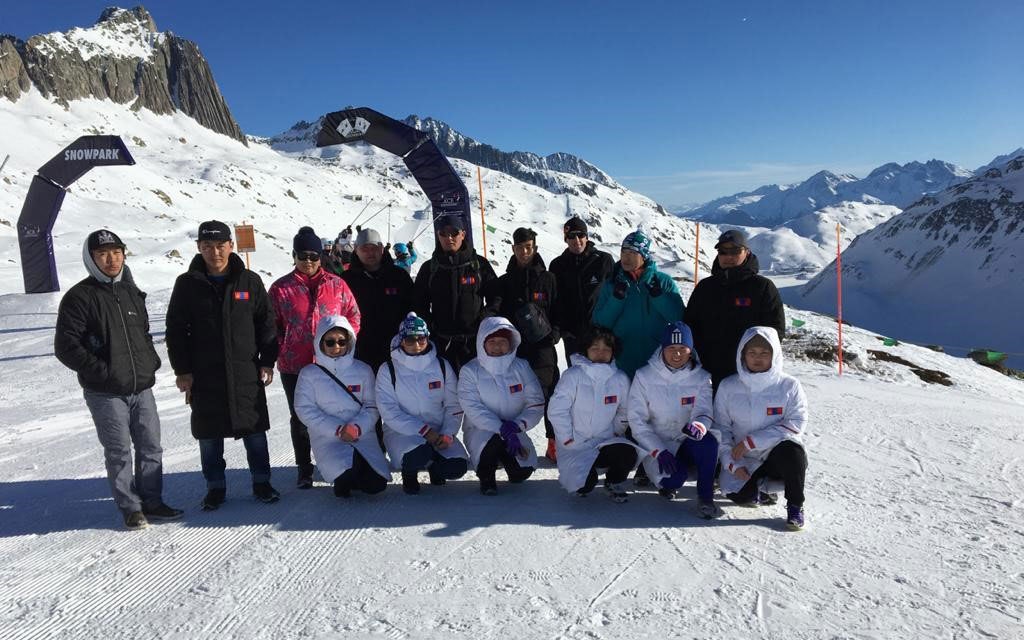
At the invitation of the Federal Office of Sport FOSPO, 15 budding cross-country ski coaches from Mongolia visited Switzerland from 11 to 24 January. The selected guests from the Mongolian Ski Association were coached by experts in Andermatt and the Vallée de Joux, and attended the Youth Olympic Games (YOG) in Lausanne.
.jpeg?auto=format)
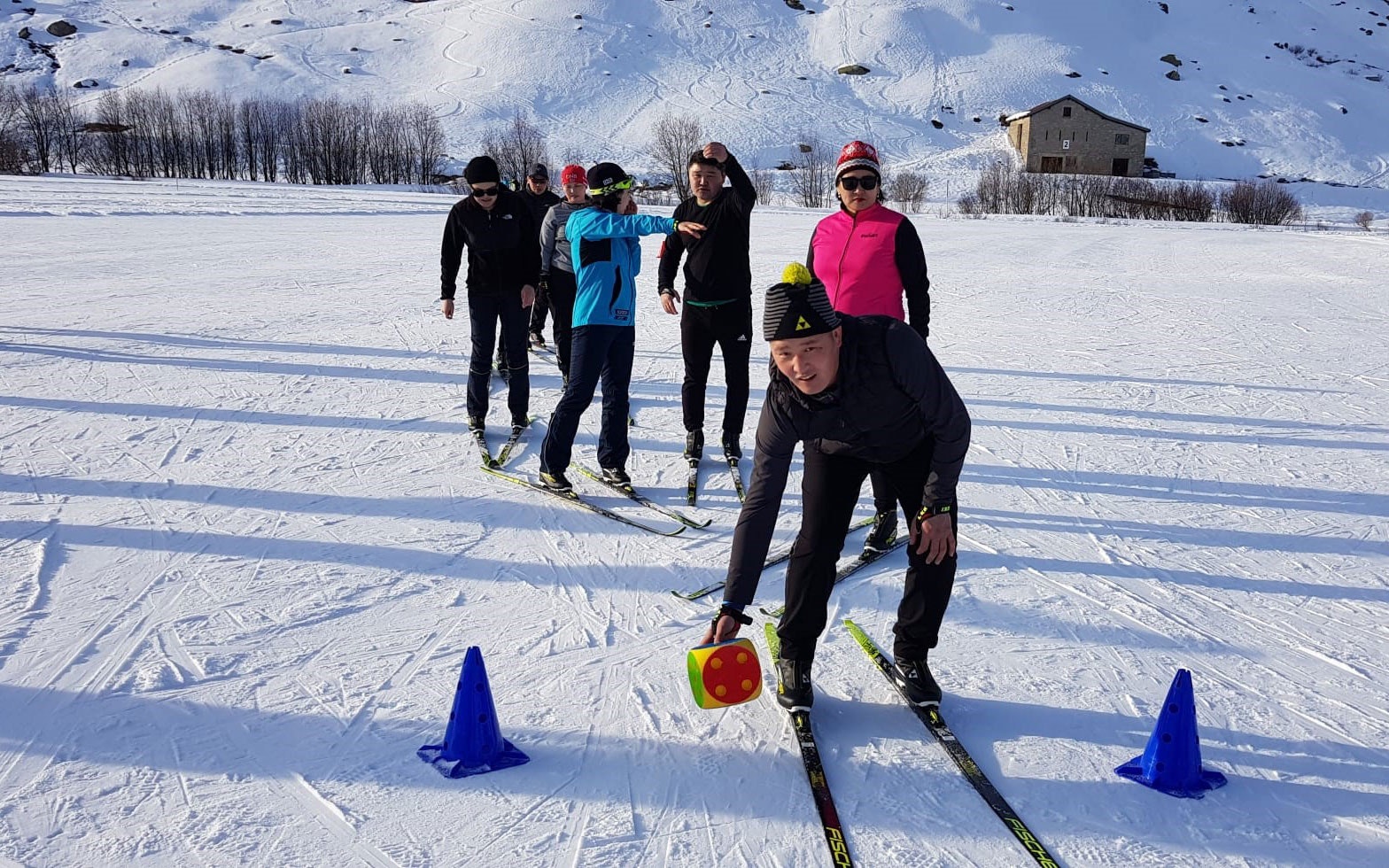
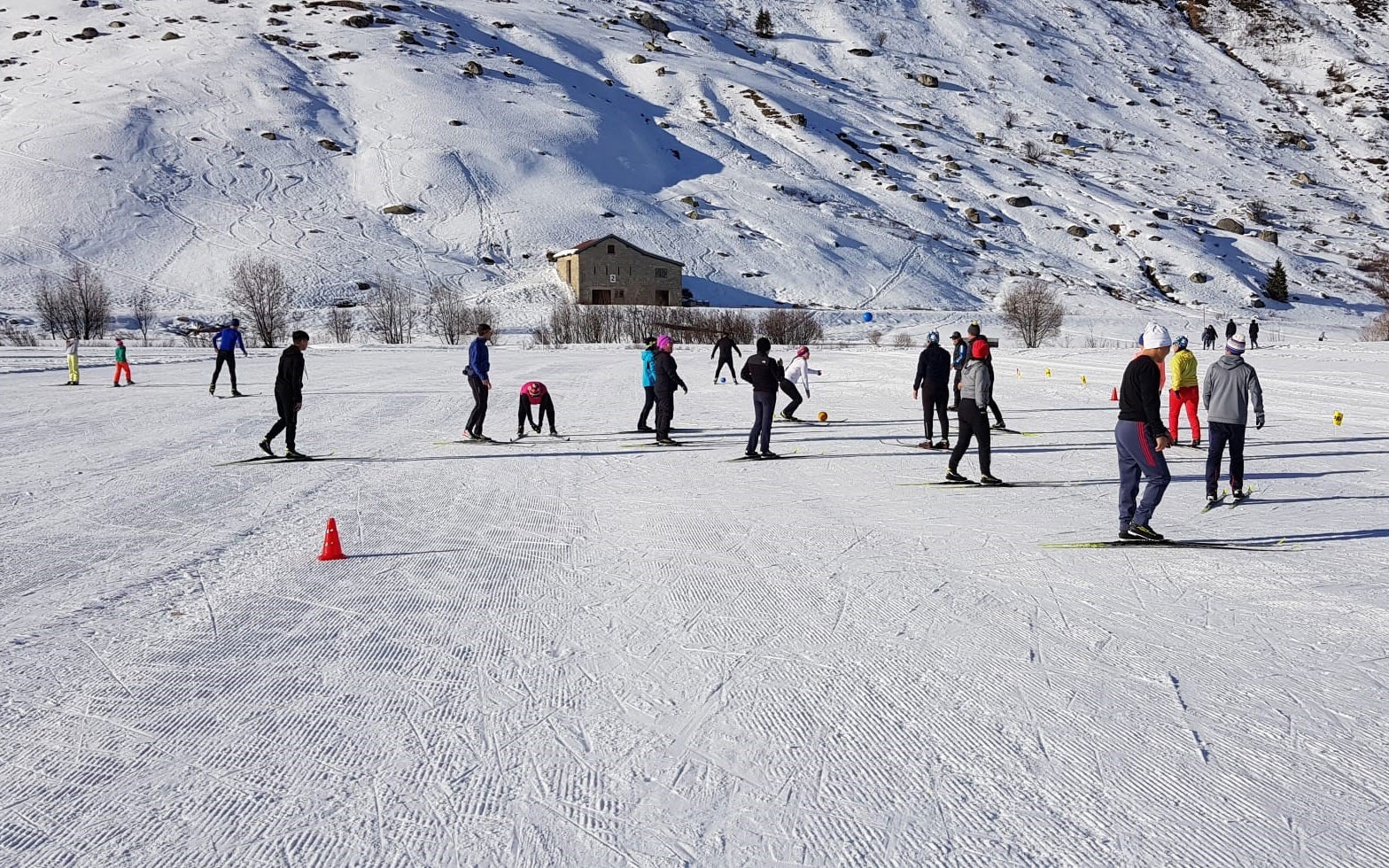
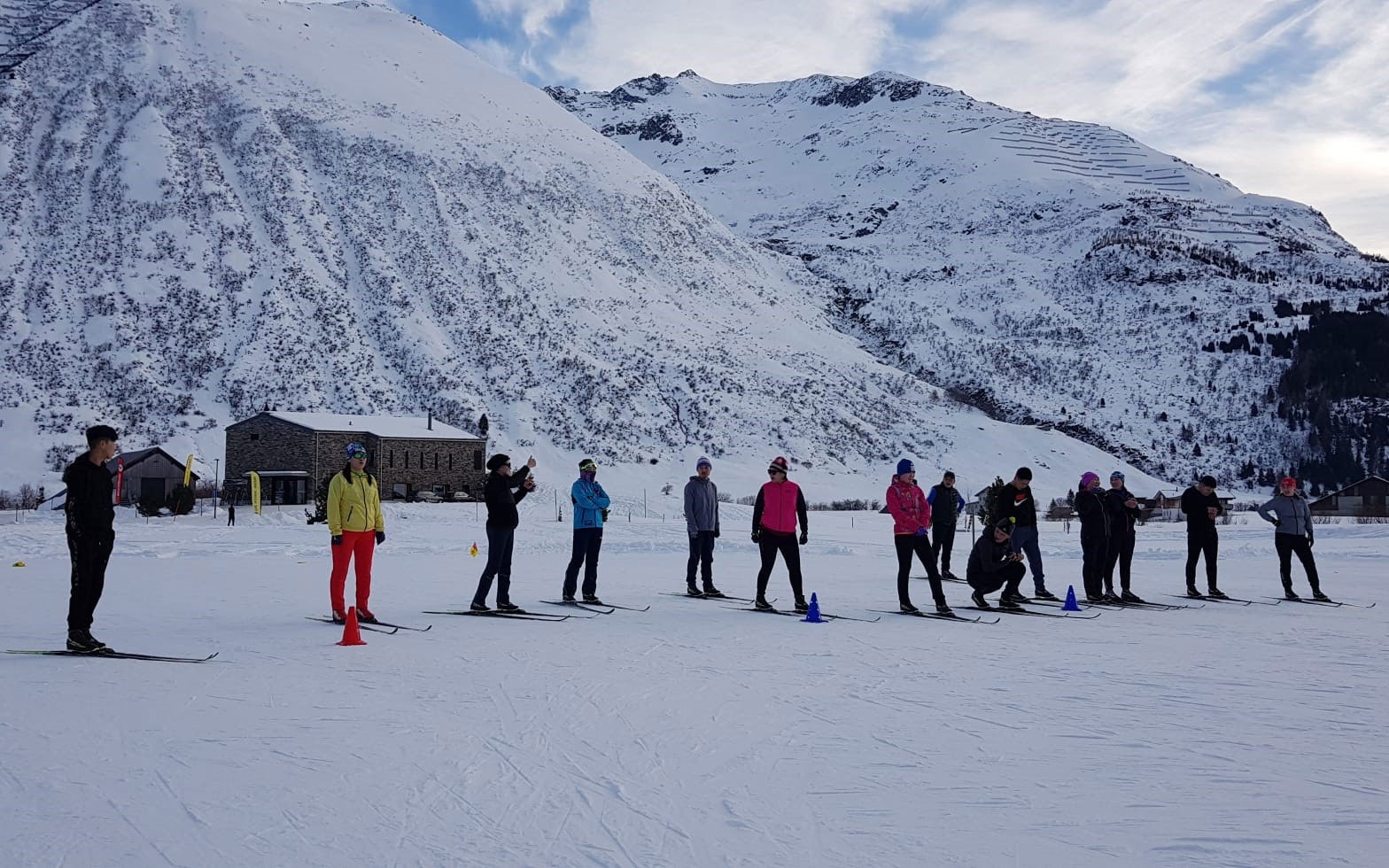
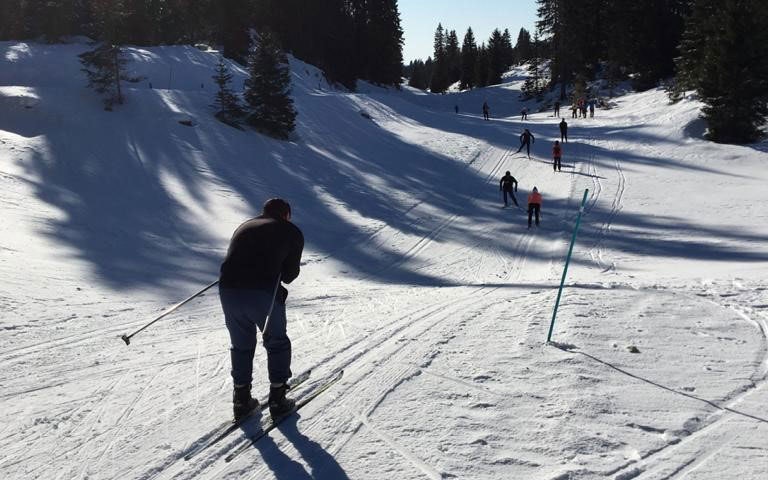
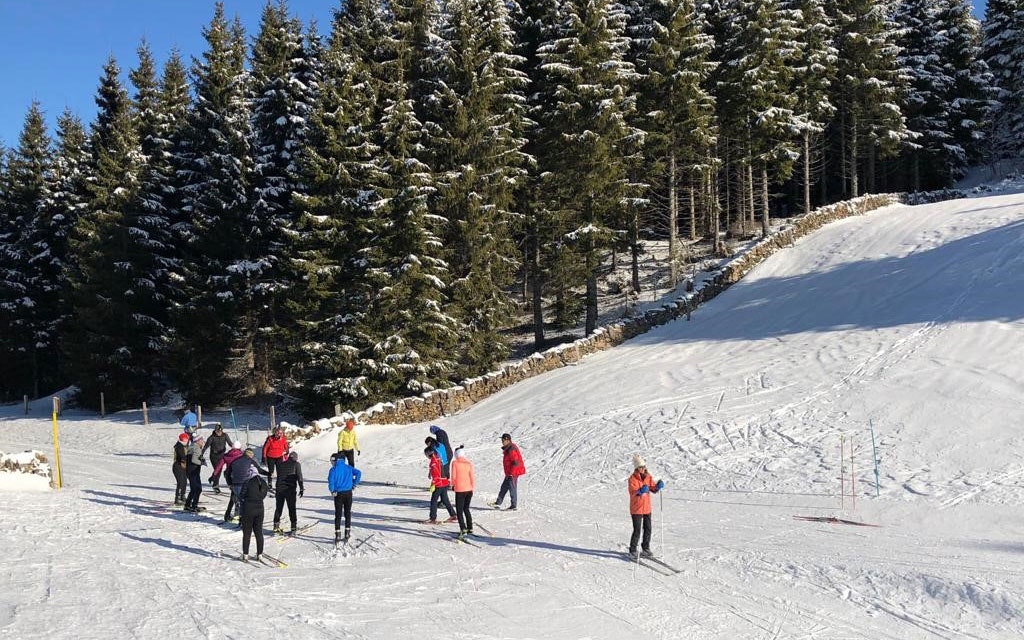
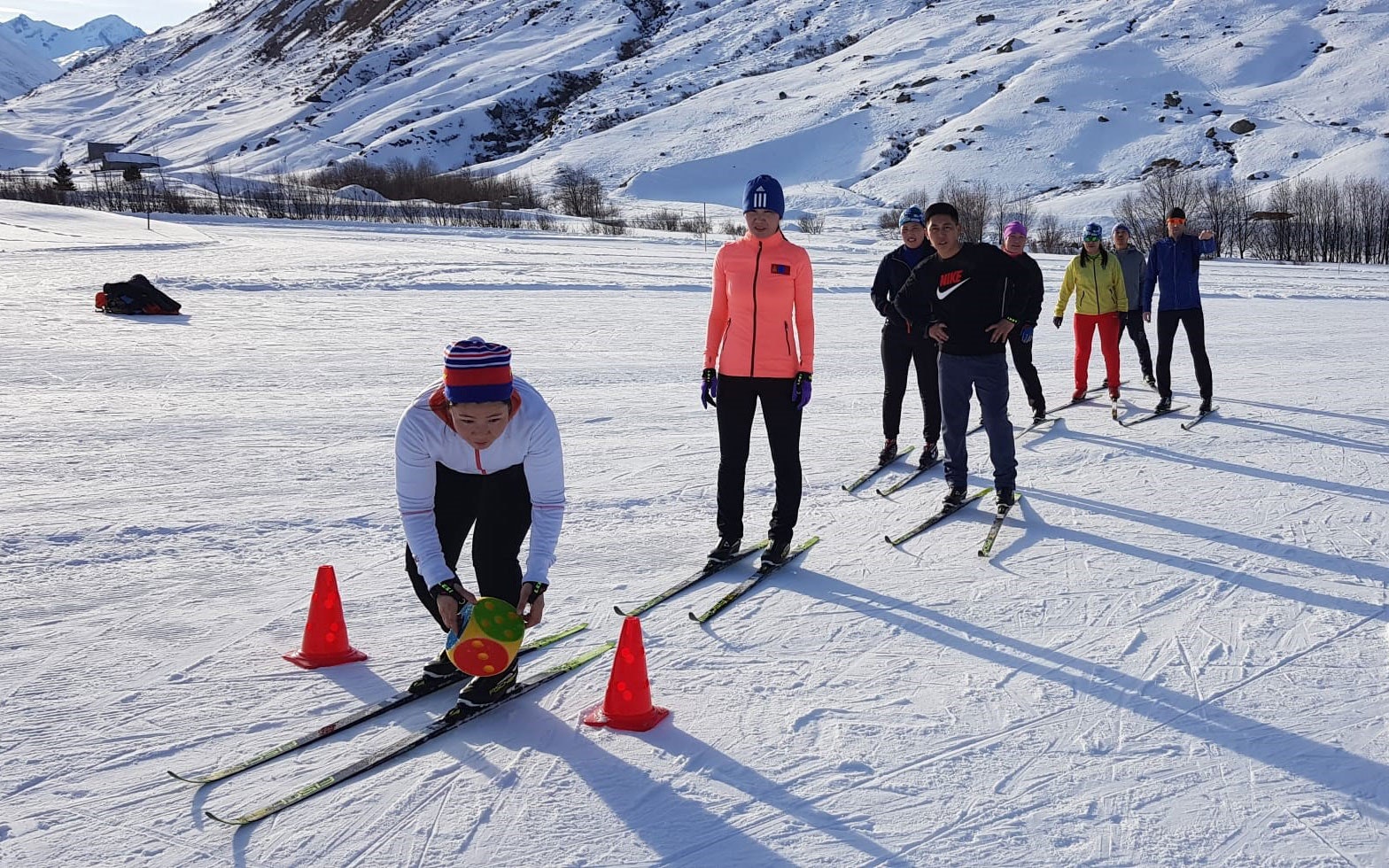
The Mongolian delegation spent the first week at Sports Base Urseren in Andermatt. The programme included two practical training sessions per day alongside theoretical inputs, before the group headed to Le Sentier in the Vallée de Joux.
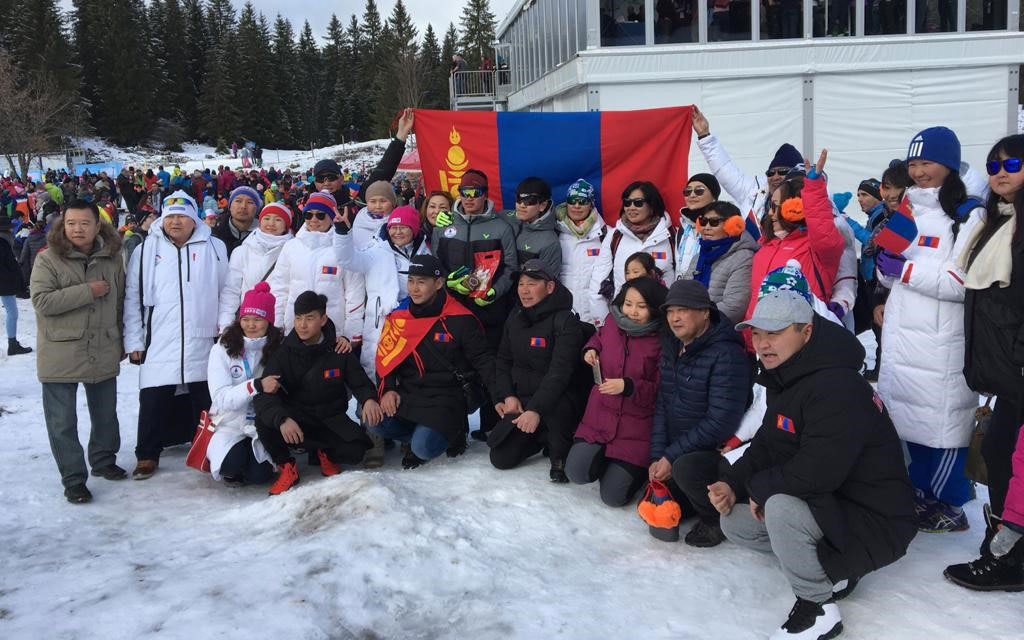
During the second week, the group attended the Youth Olympic Games in Lausanne. In addition to further training sessions, they also attended various sporting events.
A Swiss vision
The brains behind this ambitious project was Pascal Gertsch, a retired doctor from canton Vaud. The former doctor of the Swiss Nordic skiing team has been passionate about Mongolia since 2012. He and his partner aim to inspire Mongolian youngsters to pursue sports in a clean, ethical way and thus discourage them from smoking and drinking alcohol. During his numerous visits to Mongolia and training camps in Switzerland and Europe, he always had the YOG 2020 in Lausanne in his sights. Four young Mongolians managed to qualify for the games in Switzerland and were able to actively participate in the cross-country skiing events.
Gathering and transmitting expertise
This specific sports promotion initiative aimed to offer coaching and continuing training to Mongolian cross-country ski coaches, who will then play an active role in coaching young people and coordinating school sports in their home country. During these two weeks, they gained first-hand experience of techniques (skating and classic), equipment, coaching theory, nutrition, recovery and the Y+S training model.
A demanding yet successful project
The training course was run by FOSPO employee and Y+S cross-country skiing expert Ellen Leister. In all, she is pleased with the outcome: “The course ran smoothly and without any complications or incidents. The Mongolian trainee coaches learned a great deal. I hope that they will be able to apply their newfound knowledge back home.”
She considers the participants to have been highly committed and enthusiastic during the two weeks. However, their varying levels of technical and coaching skills represented a challenge: “A few were coaches, other were sports teachers, and some participants had little to no expertise”, says Leister. And despite the involvement of an interpreter, communication often proved difficult since only two participants could speak English.
But the motivated course leader ultimately managed to overcome these issues. The group even had the opportunity to meet the Mongolian ambassador and the President of the Mongolian Ski Association.
Swiss Federal Institute of Sport Magglingen SFISM
Hauptstrasse 247
2532 Magglingen