

Like a gladiator in the arena: top rower and BSc student Joel Schürch looks back on the Olympics in Paris
Joel Schürch is an experienced Olympic athlete. This was his third time at the Olympics: he was a substitute in Rio in 2016, but in Tokyo in 2021 and in Paris this summer he competed in the coxless fours. Looking back, the 29-year-old from Lucerne, who competes for Sursee rowing club, answers a few questions and shares his thoughts on what made Paris special.
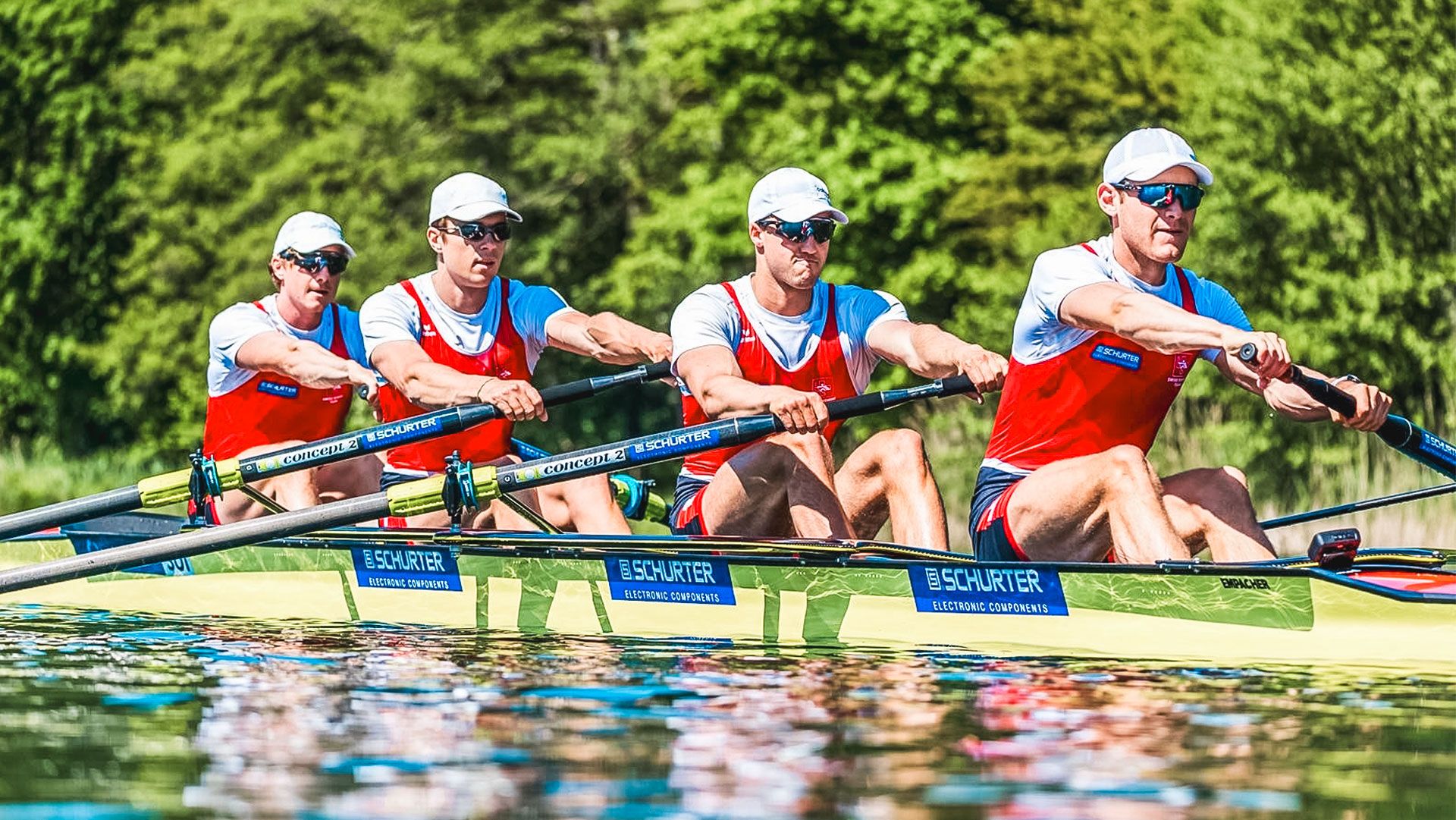
You and the rest of your crew – Patrick Brunner, Tim Roth, Kai Schätzle – only qualified quite late for the Games in Paris. How was the build up?
We only qualified in May with a second place at the qualifying regatta in Lucerne. From then on, our preparations went well. We felt ready in Paris. Before that, however, we repeatedly had to deal with injuries and absences due to illness. I was affected by inflammation of the costal margin, which is a classic rowing injury.
Getting selected for the Olympics is extremely demanding as only a few can qualify from each discipline. Are you satisfied with your final ranking?
Our aim was to qualify for the top 10 in our category. We were aiming for 6th place, so we aren’t entirely satisfied with 9th. But it has to be said, I’m the oldest in the boat, the others are younger and this was their first time at the Olympics. It's completely different to a world championship, it’s on a totally different scale. So, I suppose 9th is okay.
You started each race with a higher stroke rate than your competitors. Why was that? What was your tactic?
We like to hit the ground running, it makes us feel like we have a better rhythm. We wanted to be at the front from the start. The first 1500m were good, but the last 500m less so. We didn't manage to pick up the pace at the end.
Your position is at the stern, so at the back of the boat. What’s your role?
Everyone in the boat has a specific task: I’m the technician. Tim Roth, who sits in front of me, is the ‹engine room›. Tim is tall, heavy, extremely fit and provides thrust and power. Then comes Patrick Brunner. As second stroke, he has to follow the timing of the stroke and is responsible for maintaining a good rhythm. Kai Schätzle sits at the bow: he is both the steersman and the stroke. He keeps the boat on course with his steering foot and sets the rhythm and the stroke rate..
You took part in the Olympics in Rio and in Tokyo. What was different this time?
In Rio, I took part as a substitute in the lightweight coxless fours. As this category was subsequently dropped from the Olympic programme, I switched to the heavyweight/open class. It was in this class that I qualified for Tokyo. Tokyo was very special because for a long time it wasn’t clear whether the Games would take place at all. They went ahead in 2021 – a year late. But it wasn’t very satisfying as there was no audience, and the worry about contracting COVID and then not being able to compete was huge. We had to test ourselves daily and wait to see if we were allowed to go ahead. 48 hours after the competition, we had to head home, so I didn't see anything of Tokyo. It was very different in Paris. With thousands of spectators looking on, at each race you felt like a gladiator in the arena!
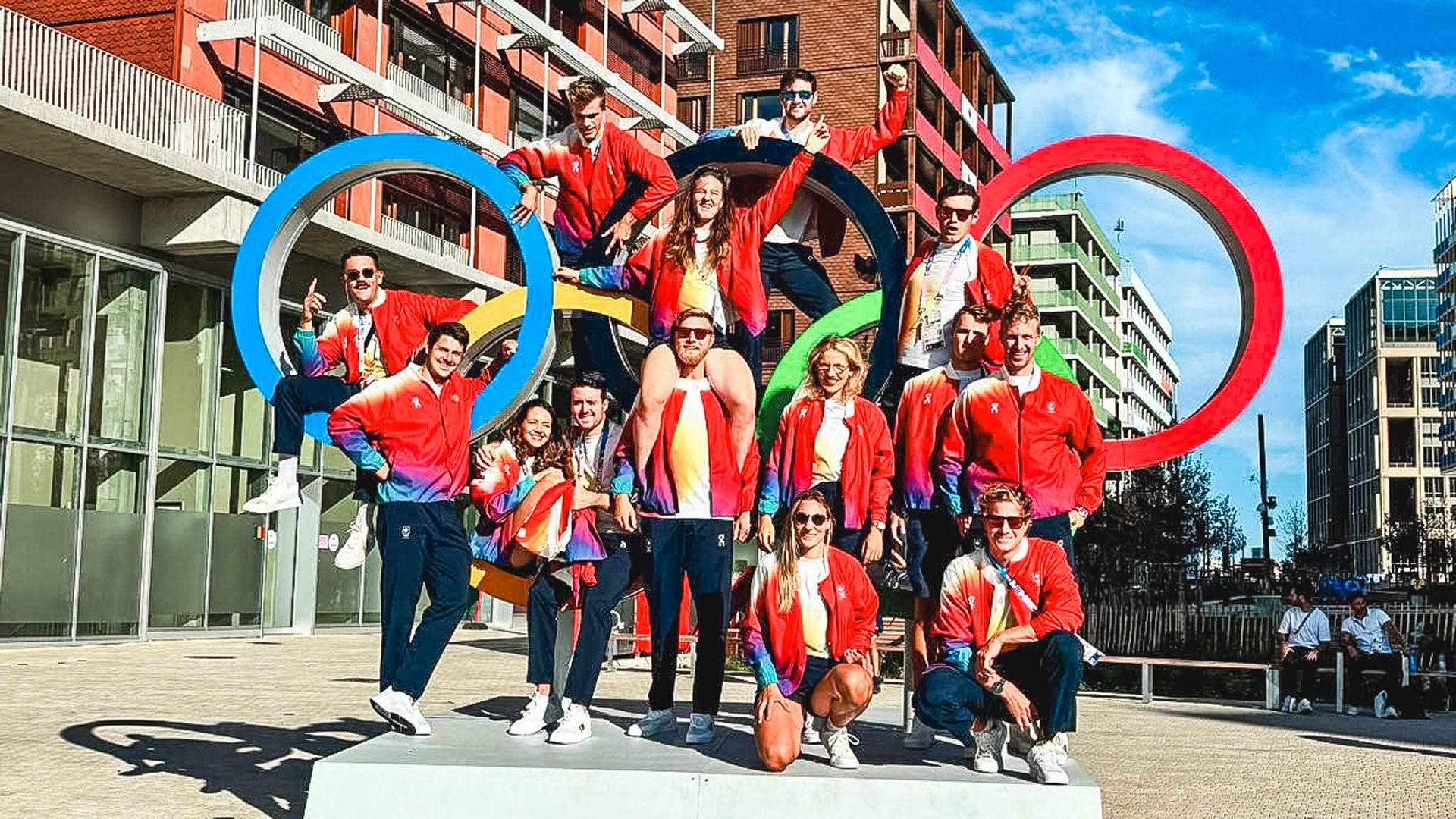
How was the Olympic village?
Olympic villages tend to be pretty similar. There’s a huge dining hall that’s open 24 hours a day with an incredible range of food. But we only tried out different foods after the competition. The Olympic village offers a lot of variety, but also distractions. There was everything, even a tattoo studio. With all that, there’s a risk of losing focus on the competitions. That's where the experience from having taken part in previous Games helps.
The atmosphere in the Olympic village was very calm. There were no disputes. This is not a matter of course in view of the global military conflicts. It's just great to meet other athletes with the same mindset.
Swiss Olympic stipulates that athletes have to leave the Olympic village 48 hours after their last competition. That’s the right line to take because those who have finished competing and want to celebrate can do so without disturbing others.
What was your best experience in Paris?
The best bit, after my own event, was being able to get hold of free tickets for other events via a ticket platform. So, we were able to cheer on other Swiss athletes in the stadiums (beach volleyball, track and field, wrestling). That was a great experience!